
The most common advice for finding strains similar to Blue Dream is to choose another familiar strain name. That approach fails in production because names don't reliably preserve aroma, effect positioning, or batch behavior. Blue Dream became widely recognized as a clone-only cultivar associated with a Blueberry and Haze lineage, and commercial summaries commonly place it around 17% to 24% THC, with CBD near zero to under 1%.Blue Dream history and profile
For a formulator, the useful target is the citrus-berry balance, the bright yet grounded aromatic structure, and the way those notes move through a finished product. Top notes such as limonene and pinene create the first impression, mid notes such as myrcene and beta-caryophyllene provide body, and base notes add persistence. That architecture matters in distillate, vape cartridges, and concentrate toppers because heat, substrate, and storage can all change what survives.
The eight profiles below are organized around practical decisions. Some preserve the standard Blue Dream balance, while others move toward berry sweetness, haze-forward freshness, fruity dessert notes, concentrate performance, seasonal consistency, or commercial differentiation.
1. Strain-Inspired Terpene Blend Formulation Guide for Replicating Blue Dream's Uplifting Citrus-Berry Profile
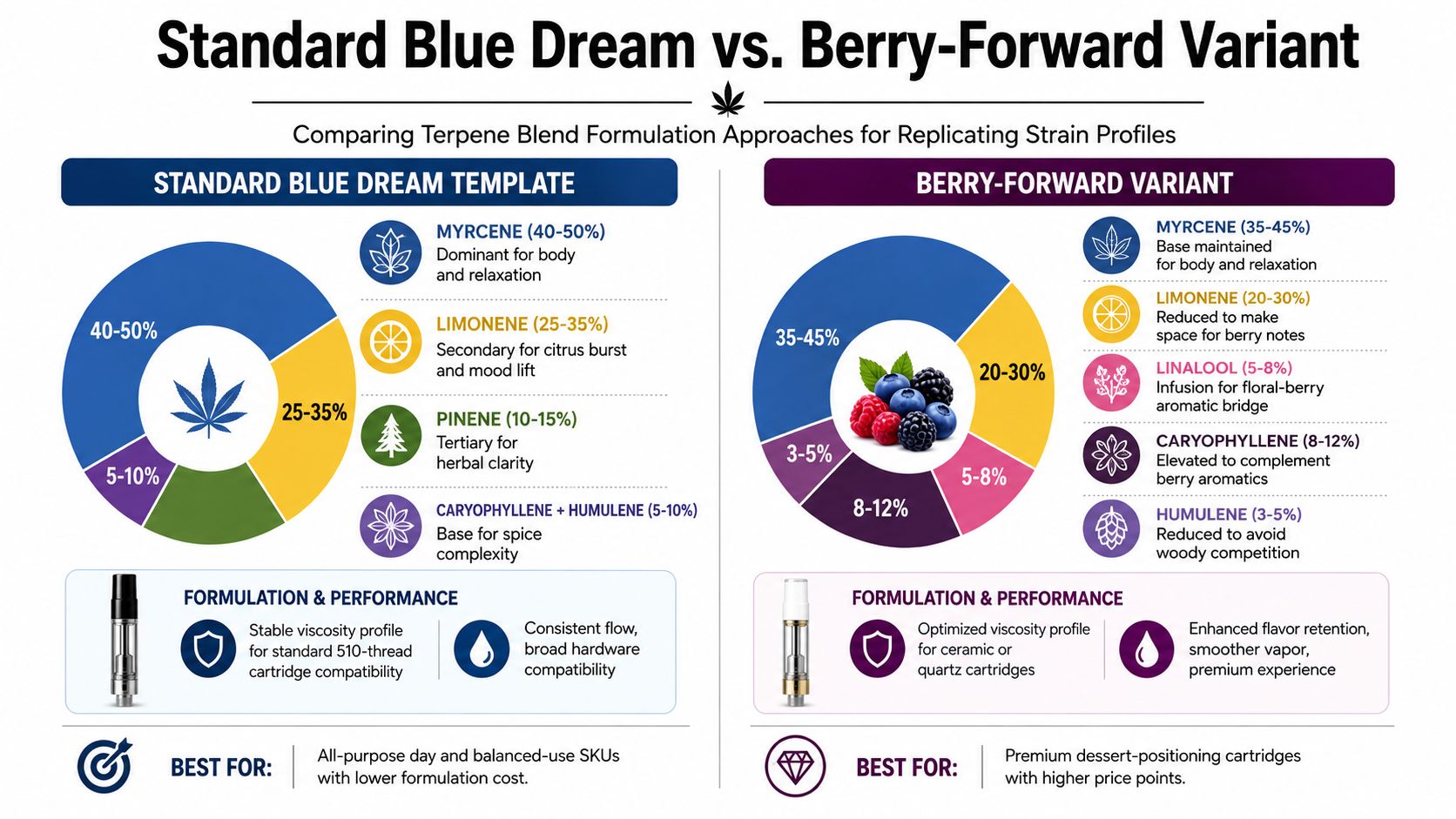
Blue Dream similarity starts with terpene architecture, not a familiar strain label. A practical base uses myrcene, limonene, and pinene, with beta-caryophyllene supporting the profile's peppery depth. Blue Dream is often described as approximately 60% sativa and 40% indica, and market references commonly identify myrcene, pinene, and caryophyllene as central terpenes.Blue Dream market and profile reference Batch variation still requires sensory benchmarking before any formula becomes a production standard.
Set myrcene as the mid-palate body. Use limonene for citrus lift and pinene for a fresher finish, then adjust beta-caryophyllene to prevent the blend from reading as simple berry flavor. Cartridge and distillate work require restraint because limonene can dominate quickly when the oil has little native aroma.
Practical rule: Match the sensory sequence, not only the ingredient list. The opening should be bright, the center berry-herbal, and the finish should retain pine and pepper.
Weigh myrcene and caryophyllene first, then add limonene and pinene in controlled increments. A d-limonene formulation guide can clarify how the citrus component shifts the blend, but the actual distillate batch remains the final test condition. Compare cold aroma with heated vapor, since the intended balance may change during use.
No single recipe captures every Blue Dream batch. Treat the following ranges as a benchmarking window: myrcene around 0.5% to 1.2%, pinene around 0.2% to 0.6%, caryophyllene around 0.1% to 0.4%, and total terpenes often around 1.2% to 2.2% by dry weight.Blue Dream terpene profile Confirm each adjustment through vapor performance, stability, and finished-product sensory checks.
2. Strain-Inspired Terpene Blend Formulation for Replicating Blue Dream Variants With Berry-Forward Mid-Palate Sweetness
A berry-forward Blue Dream variant should change the middle of the aroma, not just add more fruit flavor to the top. Linalool can soften the myrcene-led herbal body and move the profile toward blueberry, floral fruit, and a smoother finish. The trade-off is obvious in testing. Too much linalool can make a cartridge read floral or soapy, particularly when the base distillate already carries grassy notes.
Start with the standard Blue Dream structure, then make a restrained linalool adjustment while keeping the total terpene load stable. This preserves the product's vapor behavior and prevents the new version from feeling like an unrelated botanical blend. The best use case is a premium cartridge or concentrate where the buyer expects more sensory detail rather than a strict reproduction of a legacy batch.
Keep the berry note in the mid-palate. If the first impression is all fruit, the blend may lose the citrus-pine identity that makes Blue Dream recognizable.
Use pharmaceutical-grade linalool and evaluate it in glass alongside the intended oil. A blind sensory panel can help separate genuine berry improvement from simple sweetness bias, but the panel should assess aroma, vapor flavor, aftertaste, and harshness independently. Linalool's floral character can become more noticeable after heating, so an attractive cold sample isn't enough.
The Blueberry terpene profile guide is useful for comparing fruit direction without treating the Blueberry name as a guarantee of performance. For production, record the base oil, terpene additions, mixing conditions, fill behavior, and post-fill sensory results. That record will show whether the profile is repeatable or only works with one distillate source.
3. Strain-Inspired Terpene Blend Formulation for Replicating Blue Dream Hybrids and Haze-Forward Profiles With Pinene Elevation
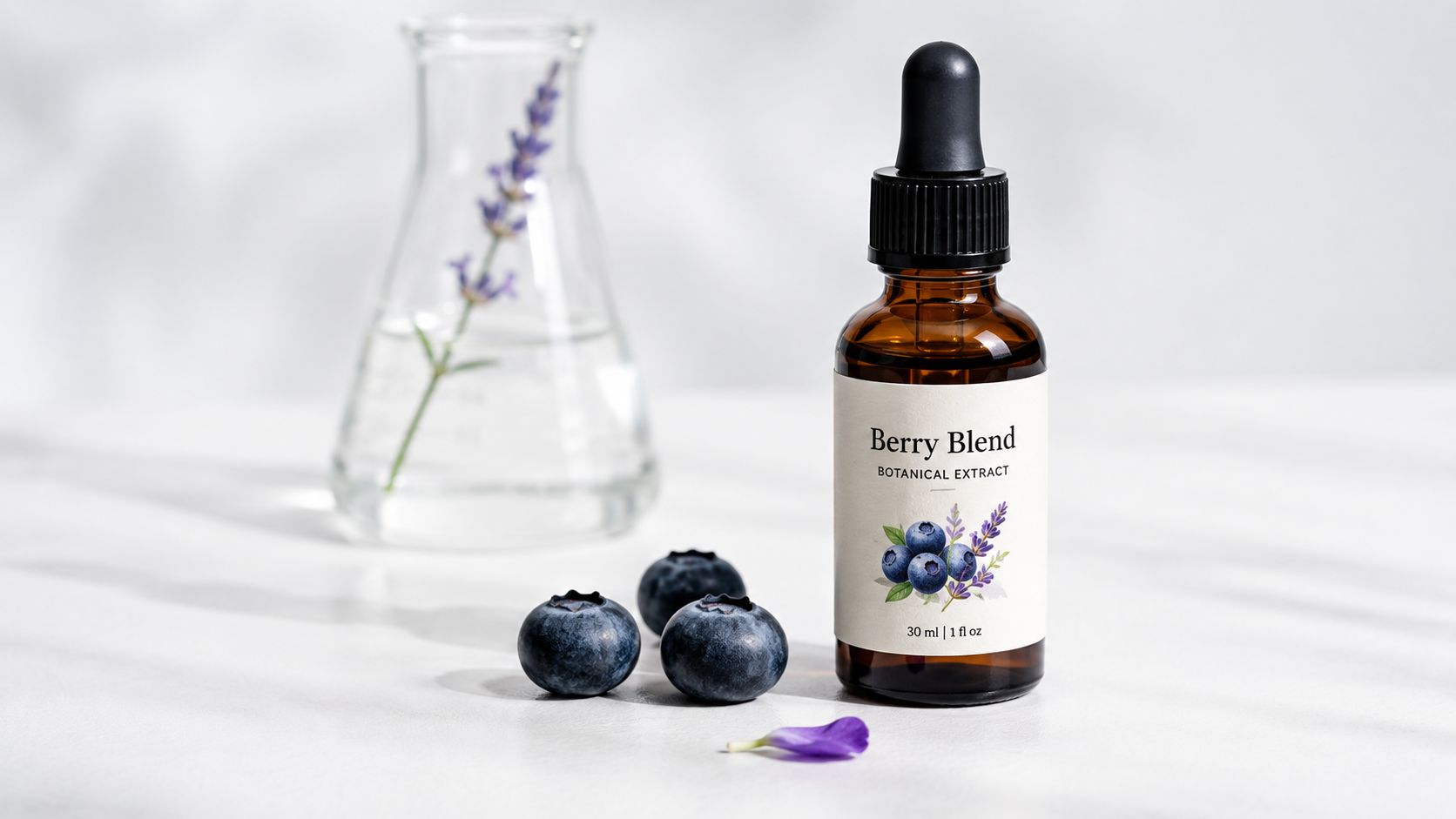
Haze-forward alternatives depend on pinene freshness without removing myrcene body. This formulation direction gives brands a sharper herbal-citrus identity while preserving enough berry depth for a Blue Dream-adjacent profile. Excess pinene can make the blend feel thin, aggressive, or resinous when the middle notes lack support.
Set alpha-pinene and beta-pinene as separate formulation variables rather than treating them as one pine note. The pinene terpene strain guide can inform sourcing and comparison, while final selection should come from sensory testing in the finished oil. A haze-style profile usually needs a clear pine opening, restrained citrus lift, and myrcene-led body underneath.
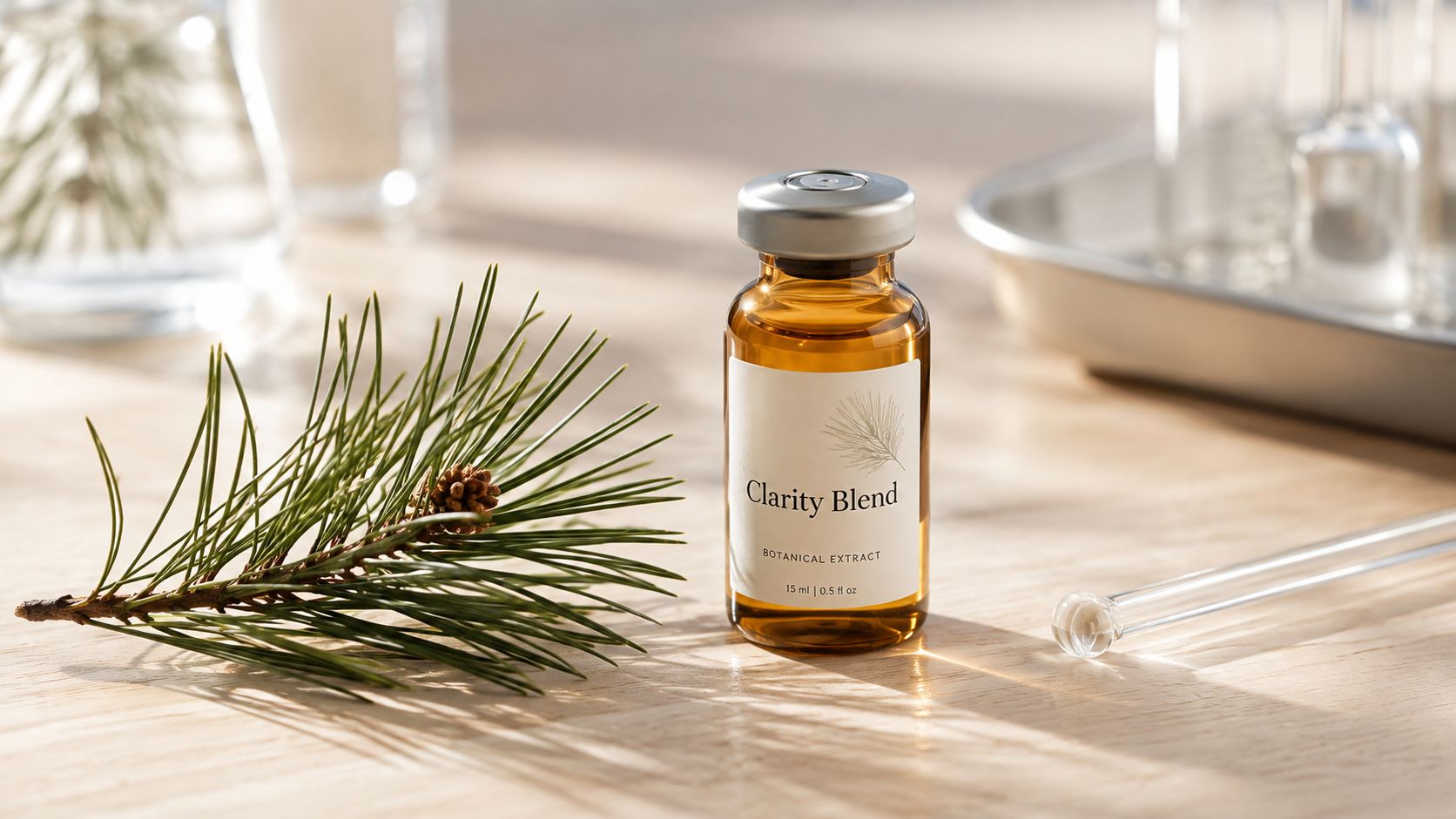
This direction suits cartridges positioned around daytime clarity or a morning-oriented sensory experience. Those are product-language decisions supported by aroma and flavor evidence rather than cognitive performance claims. A SKU may use a name such as “Clarity Blend” or “Morning Blue,” but its label should still describe the actual botanical direction.
Heating changes the result
Pinene is volatile, so excessive cartridge heat can reduce its sharp aromatic character. Test the intended hardware, oil viscosity, fill process, and operating conditions as one system. A precise glass-vial aroma may become harsh or flat in a cartridge when the heating system strips or overworks the top notes.
Run stability comparisons in clear and amber storage vessels, then assess the oil at multiple points in the product lifecycle. Track pine loss, increasing herbal heaviness, and a peppery finish that becomes disproportionate during storage. This profile offers differentiation, while its narrow sensory window creates a production risk.
For replication work, document the pinene ratio, myrcene support, base oil, mixing conditions, fill behavior, hardware, and post-fill sensory results. That record shows whether the profile is consistently repeatable across oil sources and production runs. Evaluate aroma, vapor flavor, aftertaste, and harshness separately so a bright opening does not conceal a weak finish.
4. Strain-Inspired Terpene Blend Formulation for Replicating Blue Dream-Adjacent Strains With Fruity-Sweet Limonene-Linalool Balance
The fruity-sweet direction is less about copying a specific cultivar and more about adapting Blue Dream's berry identity for a dessert-oriented product. Limonene provides the bright fruit opening, while linalool rounds the center with a softer floral quality. Reducing myrcene's herbal dominance can make the finished profile feel cleaner and more confectionary, although too much reduction removes the grounded character that keeps the blend from tasting like candy flavoring.
This approach works well for cartridges and concentrates where the brand wants a smooth, approachable aroma with clear fruit recognition. It can also support food-inspired naming, provided the product description remains accurate and doesn't imply ingredients that aren't present. A “blueberry citrus” direction is more useful for procurement and quality control than relying on an ambiguous strain label.
Control the sensory trade-off
Limonene can become sharp when it overshoots, while linalool can push the profile toward lavender. Build both against a myrcene and caryophyllene foundation, then evaluate the opening, vapor body, and finish separately. The right balance leaves a fresh fruit impression at the start and a lightly floral, peppered finish rather than a flat sweet note.
Test the blend with ceramic and other intended heating systems because hardware changes vapor delivery. Also test the actual extraction substrate. A neutral winterized distillate may need a different sensory adjustment from a more aromatic full-spectrum oil. Store samples in dark, cool conditions and inspect them over time, since light and warmth can reduce the brightness that defines this profile.
Supplier strain profiles can serve as reference points, but they shouldn't replace batch-specific validation. A successful Blue Dream-adjacent SKU gives the buyer a clear flavor expectation and gives the production team a measurable architecture to reproduce.
5. Strain-Inspired Terpene Blend Formulation Guide for Replicating Blue Dream Concentrate Toppers and Full-Spectrum Applications
Concentrate toppers require a different design brief from vape oils. The blend must create an immediate aromatic signal on a dense substrate, then remain coherent through mixing, handling, storage, and vaporization. A Blue Dream-inspired topper can preserve a myrcene-led berry body while using limonene and pinene with restraint, so the profile opens clearly without turning sharp.
Rosin, live resin, winterized distillate, and other concentrate bases express added terpenes differently. Test compatibility on each substrate before adapting a vape formula for topper use. Viscosity, native aroma, water activity, and storage conditions influence how evenly the blend distributes and how the finished profile develops.
Build for coverage and stability
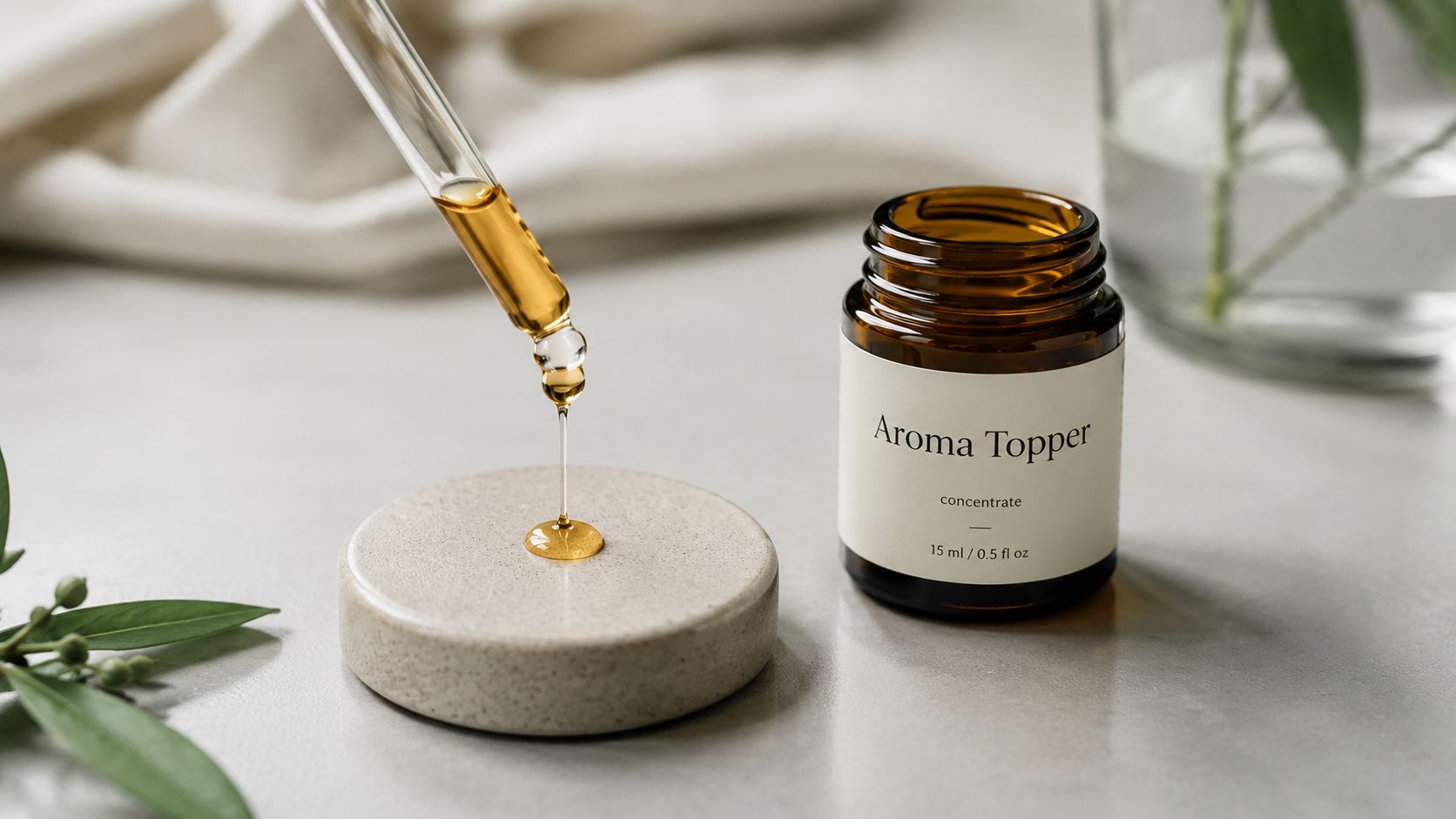
A dropper gives better control than a spray when applying a small amount to concentrate. Apply the blend consistently across the batch, use the least disruptive mixing method available, and sample multiple locations to verify distribution. Assess the formulation immediately and after storage. Bright top notes may recede while heavier myrcene and caryophyllene character remains.
Cold storage can help preserve volatile character, but the recommendation must fit the packaging, condensation risk, and handling process. Evaluate the topper at its intended use temperature and after the concentrate has equilibrated. High-temperature vapor testing matters because a blend that appears balanced in a cold sensory test may shift during use.
Strong bottle aroma alone does not define a successful topper; the intended strain-inspired sequence must survive application, storage, and vaporization.
For full-spectrum applications, compare the finished batch with an untopped control. This shows whether the blend adds useful Blue Dream character or only raises overall aroma intensity. Record the substrate, addition method, mixing time, package, and sensory result. Those records turn a one-off experiment into a repeatable SKU workflow.
The same checks support cartridge and concentrate development, but the acceptance criteria should follow the format. Cartridges demand attention to vapor delivery and hardware response, while toppers require even coverage and stable expression across the substrate.
6. Strain-Inspired Terpene Blend Formulation for Replicating Blue Dream-Inspired Flavor Consistency Across Seasonal Plant Material
Seasonal feedstock can shift the native balance of myrcene, limonene, pinene, and caryophyllene. A fixed additive recipe may work with one harvest and miss the target with the next. The stronger production model uses a myrcene anchor and adjusts the other components against analytical results from the incoming material.
Start by sampling representative material from every batch and testing the major terpene contributors. The purpose isn't to force every lot into an identical chemical number. It's to keep the sensory landmarks stable, including citrus brightness, berry-herbal body, pine freshness, and peppery persistence.
Create an adjustment record
A simple lookup system can connect feedstock results to formulation changes. If the incoming oil already carries strong limonene, reduce the added limonene rather than allowing the top note to overshoot. If pinene is weak, a controlled correction may restore the intended opening without changing the mid-palate.
Use blind comparisons between the current production batch and the previous approved batch. The panel should assess aroma at room temperature, vapor flavor, aftertaste, and any emerging off-notes. Record the reason for each adjustment in the batch record, along with the supplier, extraction type, storage history, and final sensory decision.
This approach is especially useful for brands buying from multiple extractors. It gives the quality team a common language for approving material and gives the formulator a documented response when the base changes. The result is not a claim that all Blue Dream products are chemically identical. It's a practical system for keeping the commercial identity recognizable despite feedstock variation.
Work with suppliers that provide batch-level analytical data, and retain approved reference samples. Over time, those references will reveal which changes are normal seasonal movement and which indicate a new process or raw-material problem.
7. Commercial Context and Go-to-Market Strategies for Blue Dream Terpene Formulations
A Blue Dream-inspired product should be sold according to the decision it helps the buyer make. A standard profile can serve as a dependable house formulation. A berry-forward version can support a more sensory-led launch. A haze-forward version can give a cartridge line a clearer aromatic identity, while a topper can extend the same profile into concentrates without forcing the brand to create an unrelated flavor system.
Avoid making the strain name carry the entire marketing message. Strain labels vary across growers and producers, and a 2020 Leafly analysis found that Blue Dream samples can shift in terpene dominance, with approximately 24% of grower samples described as pinene-dominant rather than myrcene-dominant.Leafly strain-name reliability analysis That variability gives brands a reason to explain the sensory architecture on the package and product page.
Position by sensory purpose
Use language such as “berry citrus,” “pine-fresh,” “floral fruit,” or “concentrate topper” when those descriptions match the tested product. Functional terms such as “clarity” or “uplift” can describe intended positioning, but they shouldn't become medical promises or unsupported performance claims. The product page should identify the format, base material, terpene direction, storage requirements, and recommended use within applicable regulations.
Commercial testing can begin with a small variant range rather than a large catalog. Compare a standard Blue Dream profile with one berry-forward and one haze-forward version. Track reorder behavior, sensory complaints, hardware compatibility, and account feedback, then keep the variants that demonstrate a clear reason to exist.
Bundles can also connect formats. A cartridge brand might pair a standard profile with a concentrate topper, while a wholesale supplier could provide the same aromatic family in isolate, blend, and full-spectrum-compatible versions. That creates a product system around one recognizable profile instead of a collection of disconnected strain names.
8. Formulation Best Practices, Stability Guidance, and Analytical Recommendations
A Blue Dream-inspired blend earns production status only when it holds three conditions: the target substrate delivers the intended aroma, the finished cartridge or concentrate format performs as specified, and storage does not erase the profile. A vial sample can pass sensory review while the heated product loses its citrus, berry, or pine character.
Use a top, mid, and base note model during development and troubleshooting. Limonene and pinene usually act as volatile top notes. Myrcene and beta-caryophyllene build mid-note body, while humulene can add a deeper base layer. This structure explains why a blend may smell bright in glass but become muted after cartridge heating.
A practical release sequence
- Qualify the substrate: Record extraction method, native terpene content, viscosity, color, and existing aroma before adding the blend.
- Build in controlled increments: Establish the mid-note foundation first. Then adjust citrus, pine, and pepper notes while documenting each change.
- Test the final format: Review the filled cartridge, concentrate topper, or finished oil instead of relying on a vial sample.
- Run stability checks: Compare sealed samples throughout the planned storage period. Inspect for aroma loss, oxidation, separation, and new off-notes.
- Retain references: Keep an approved sample from every production lot. Use it as the sensory standard for later batches.
For a four-terpene Blue Dream reference, Entourbrand's Blue Dream terpene guide places myrcene at approximately 40% to 50%, alpha-pinene at 15% to 20%, beta-caryophyllene at 10% to 15%, and limonene at 5% to 10% of total terpene content. Treat these ranges as a ratio map, not a universal formula. Analytical results and finished-product testing should set the final blend.
Heating changes the balance between volatile top notes and heavier supporting notes, so cartridge evaluations should use the intended hardware and operating conditions. Concentrate toppers require the same discipline, with attention to viscosity, separation, and how the aroma presents after application.
Brand differentiation depends on repeatable sensory evidence. A brand differentiation formulation resource can help connect the measured profile with packaging, product architecture, and a defensible reason for the SKU to exist.
Blue Dream Terpene Formulations, 8-Point Comparison
| Item | 🔄 Implementation complexity | ⚡ Resource requirements | ⭐ Expected outcomes | 📊 Ideal use cases | 💡 Key advantages / Tips |
|---|---|---|---|---|---|
| Strain-inspired terpene blend guide, Standard Blue Dream template | 🔄 Moderate, precise ratio control (±10% tolerance) | ⚡ Low–Moderate, common isolates (myrcene, limonene, pinene); standard cartridge compatibility | ⭐⭐⭐⭐, strain-recognizable, stable in distillates | 📊 All-purpose cartridges, distillate SKUs, day/balanced products | 💡 High consumer familiarity; add myrcene/caryophyllene first; avoid >160°F during filling |
| Berry-forward variant (elevated linalool) | 🔄 Moderate–High, minor terpene precision affects perception | ⚡ Moderate–High, pharma-grade linalool; higher-cost isolates; better distillate quality | ⭐⭐⭐⭐, premium sensory complexity, improved cartridge shelf-life vs citrus | 📊 Premium cartridges, concentrates, dessert-positioning SKUs | 💡 Use pharma-grade linalool; blind-taste before scale; reduce batch temp 5–10°F |
| Haze-forward / pinene-elevated blends | 🔄 Moderate, balance alpha/beta-pinene with myrcene | ⚡ Moderate, pinene sourcing and light/heat-controlled storage | ⭐⭐⭐, clarity-focused effects; stable at higher temps than limonene | 📊 Daytime/functional cartridges, clarity-focused lines | 💡 Source alpha/beta separately (~1:1.2); lower cartridge voltage (2.6–2.9V); monitor pinene loss |
| Fruity-sweet limonene–linalool balance | 🔄 Moderate, manage volatile limonene and linalool purity | ⚡ High, elevated limonene/linalool costs; cold-chain recommended | ⭐⭐⭐⭐, strong dessert aromatics; high repeat purchase potential | 📊 Dessert-forward cartridges, gift/lifestyle SKUs | 💡 Store 55–65°F (cartridges) or cooler; avoid >12% linalool to prevent soapiness |
| Concentrate toppers & full‑spectrum applications | 🔄 High, higher addition rates, substrate variability, dosing consistency | ⚡ High, 2–4% blends increase terpene spend; freezer storage advised | ⭐⭐⭐⭐, immediate strain recognition; strong mouthfeel/aroma delivery | 📊 Toppers for rosin, live resin, flower; premium add-on sales | 💡 Formulate 3–4% to offset absorption; use droppers; recommend freezer storage (-4–0°C) |
| Seasonal consistency / dynamic template | 🔄 High, requires GC‑MS analytics and responsive ratio adjustments | ⚡ High, per-batch GC‑MS, analytics expertise, ratio calculator | ⭐⭐⭐⭐⭐, <5% consumer-perceived variance; reliable year-round consistency | 📊 Large-scale wholesale, white-label, multi-supplier programs | 💡 Run GC‑MS on representative samples; maintain seasonal lookup tables; train staff |
| Commercial context & go-to-market strategies | 🔄 Low–Moderate, strategic planning, compliance on claims | ⚡ Moderate, marketing, packaging, limited-edition production costs | ⭐⭐⭐⭐, higher margins and SKU differentiation when executed | 📊 Tiered product lines, regional launches, topper bundling | 💡 Use non-medical functional language (e.g., "clarity"); bundle toppers to raise AOV |
| Formulation best practices & stability guidance | 🔄 Low–Moderate, SOPs for addition order, stability testing | ⚡ Moderate, GC‑MS, inert gas, glassware, stability trials | ⭐⭐⭐⭐, improved batch reproducibility and shelf-life | 📊 Applicable across all formulation types and scales | 💡 Add heavy terpenes first; use nitrogen and glass; test 60–90 day stability; follow voltage/filling temp guidance |
Turn Blue Dream Similarity Into a Repeatable SKU System
The strongest answer to the search for strains similar to Blue Dream isn't a longer list of names. It's a selection and validation workflow that identifies which Blue Dream trait the product needs to preserve. A cartridge intended to deliver a familiar house profile may need the balanced myrcene, limonene, and pinene structure. A premium berry SKU may need more mid-palate floral fruit. A haze-forward product may need greater pinene definition. A concentrate topper may need faster aromatic impact and stronger substrate compatibility.
Start by defining the commercial target in sensory terms. Write down the intended opening, center, and finish before selecting ingredients. For example, the opening might be citrus and fresh pine, the center berry-herbal, and the finish lightly peppered with enough myrcene to prevent the profile from feeling thin. This description gives the production team something more useful than a strain name alone.
Then map the architecture to the substrate. Distillate may need a complete profile because it has limited native aroma. Full-spectrum oil may require subtraction and correction rather than a full addition. Rosin and live resin can overwhelm delicate top notes, while a concentrate topper needs even distribution and a clear application method. Hardware introduces another variable. Cartridge temperature and airflow can change whether limonene and pinene remain bright or disappear before the heavier notes.
The chemistry supports a cautious approach. Blue Dream samples don't share one universal terpene fingerprint, and a 2024 market study of 140 medicinal cannabis flowers used GC-MS to compare terpene fingerprints across products.GC-MS terpene fingerprint study Traditional indica and sativa labels also aren't reliable substitutes for chemical matching. A 2021 study found indica- and sativa-labeled samples were genetically indistinguishable overall, so procurement should prioritize analytical data and sensory goals over branding language.
A production workflow that scales
- Choose the closest direction: Standard citrus-berry, berry-forward, haze-forward, fruity-sweet, concentrate-ready, or seasonally adjustable.
- Map top, mid, and base notes: Decide which compounds create the opening, body, and persistence.
- Screen the substrate: Measure native aroma and account for extraction-specific behavior before adding terpenes.
- Build and test: Make controlled bench samples, then evaluate them in the actual cartridge, oil, or concentrate format.
- Document stability: Compare retained samples over the planned storage period and record sensory drift.
- Approve by identity: Release the batch when it meets the defined sensory landmarks, analytical requirements, and hardware or topper performance criteria.
Gold Coast Terpenes offers Blue Dream-inspired blends alongside isolates such as limonene, myrcene, and beta-caryophyllene. Its formulation resources include Terpenes 101 guidance, a terpene mixing calculator, and product options intended for cartridges, concentrates, and cannabis product formulation. Use those tools to compare a natural strain-specific blend with an isolate combination, then run the next production trial against your approved sensory reference.
Gold Coast Terpenes offers strain-specific blends and isolated compounds for Blue Dream-inspired cartridges, concentrates, and distillate formulation. Visit Gold Coast Terpenes to compare the Blue Dream profile, review formulation resources, and select components for your next controlled production trial.