
Food-safe or GRAS terpenes are not automatically safe to vape, especially after heating above 100°C to 200°C, where thermal breakdown can generate toxic carbonyls and compounds such as methacrolein and formaldehyde. The answer depends on the terpene load, coil temperature, draw conditions, and the chemistry of the finished aerosol, not on whether the ingredient is natural.
That distinction changes how manufacturers should approach the question, “Are terpenes safe to vape?” A terpene that performs acceptably as a food flavoring has been evaluated through an ingestion pathway. A vape cartridge creates a different exposure pathway, concentrating volatile compounds and passing them through a heated coil before inhalation. The relevant safety question is therefore not whether a terpene is naturally occurring, but what the device converts it into under actual operating conditions.
For formulators developing a strain-inspired terpene blend for vape cartridges, flavor accuracy still matters. Top notes create the first aromatic impact, mid notes build the recognizable profile, and base notes provide persistence and depth. But every addition also changes viscosity, vapor behavior, coil loading, and potential degradation chemistry. A successful formulation has to balance those variables rather than maximize terpene content.
The Myth of Natural Safety in Vaping
Natural origin does not establish inhalation safety. Myrcene, linalool, limonene, and other terpenes occur in plants, but a vape cartridge exposes them to concentrated heat and aerosolization. That exposure route differs substantially from eating food containing a small amount of flavoring.
FEMA GRAS or food-flavor status does not automatically establish inhalation safety. Food assessments generally address intended dietary exposure. They do not, by themselves, establish what happens when a volatile compound contacts a hot coil, remains in the heated zone, oxidizes, and enters the respiratory tract as an aerosol. Treating food-grade documentation as a complete vape safety file leaves a major toxicology gap.
The myths and facts about terpenes are useful background, but the manufacturing conclusion is direct: route of exposure and device conditions define the risk assessment. Botanical and cannabis-derived sources may affect identity, impurities, and flavor fidelity. Neither source removes the need to assess emissions from the finished device.
Concentration changes the exposure
A distillate cartridge can contain far more concentrated terpene material than a typical food application. One review reported cannabis vaping liquids with 10% to 20% terpenes by weight, producing aerosols with 2,500 to 5,000 ppm total terpenes (ACS Chemical Research in Toxicology review). Those figures illustrate why ingestion-based certification cannot substitute for inhalation testing.
Higher terpene loading also changes formulation behavior. It can reduce viscosity enough to affect leakage and wick saturation, while increasing the amount of volatile material available for oxidation. A strong aroma or accurate cultivar profile does not demonstrate that the resulting aerosol is acceptable.
Source documents are only one layer
A supplier's certificate of analysis helps verify identity, purity, and batch consistency. It cannot replace finished-product emissions testing. Raw-material documentation describes what entered the formulation, not what emerged from a specific cartridge at a defined power level and draw condition.
Formulation rule: Treat food safety as an ingredient-screening input, not as a final inhalation safety conclusion.
A defensible assessment requires the terpene identity, concentration, diluent system, hardware, operating range, and aerosol emissions. Natural origin may support a flavor specification. It does not close the toxicology file.
Thermal Degradation and Pyrolytic Chemistry
Food-grade status does not establish inhalation safety. The key hazard is thermal oxidation: common monoterpenes can begin oxidizing at approximately 100°C to 200°C, a range that overlaps with operating conditions in vaping hardware (peer-reviewed vaping chemistry study). Once exposed to heat, myrcene, linalool, limonene, and other compounds may change before they reach the aerosol.
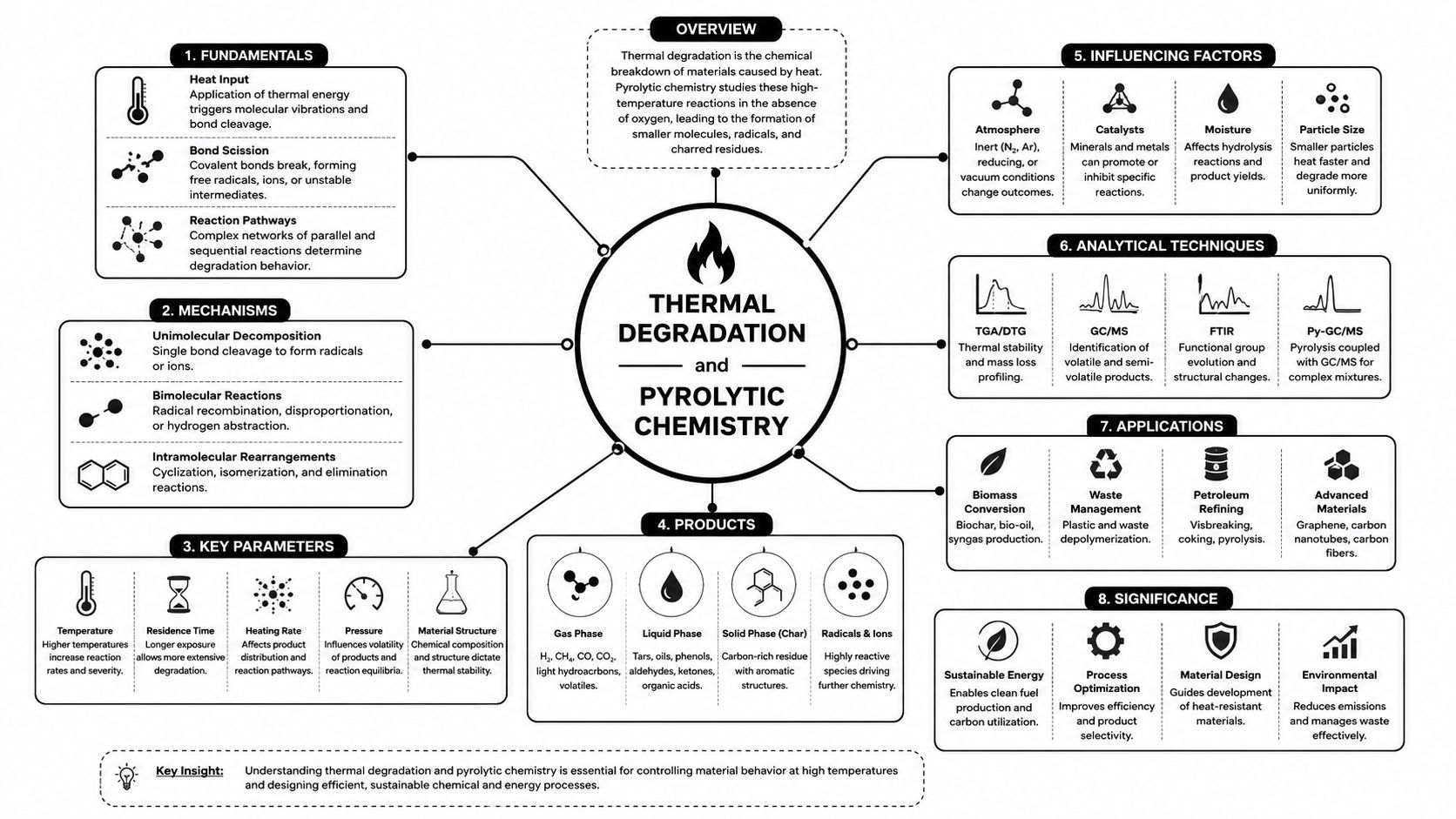
The resulting chemistry can include benzene, methacrolein, isoprene, aldehydes, and acids, according to a 2025 review in Frontiers in Toxicology (Frontiers in Toxicology review). The review connected terpene-rich aerosols with toxic degradation products formed under vaping conditions and described reactions resembling established pyrolytic chemistry.
The coil is part of the formulation
A cartridge is an active processing system, not merely a package. Coil construction, resistance, wick saturation, power delivery, draw duration, and airflow determine the liquid's thermal history. A blend that remains clear and stable in a vial can generate a different aerosol after repeated heating in a particular device.
“Low temperature” therefore requires a defined hardware condition, not a marketing label. Lower power and shorter draws may reduce decomposition, while higher temperatures increase the likelihood of irritant formation (peer-reviewed vaping chemistry study). The result depends on the interaction between the blend and the device, including how viscosity affects wick replenishment and whether partial saturation creates localized overheating.
Different profiles can produce different emissions
Limonene-rich, myrcene-rich, and linalool-rich formulas will not necessarily produce the same degradation products. A 2025 review in Frontiers in Toxicology identified multiple harmful byproducts across terpene chemistry, while terpene-mixture research has associated higher terpene fractions with greater cytotoxicity in lung cell models. Limonene-containing mixtures also showed different toxicity at an 80:20 v/v ratio than in an equipotent mixture (ACS study on terpene vaping mixtures).
For replicating the flavor of a cultivar for distillate, the formulation must be treated as a chemical system, not a list of aromatic peaks. Relative abundance affects sensory output, viscosity, oxidation potential, and thermal behavior. Screen dominant reactive constituents, define the intended power and draw range, then test the finished blend after heating.
The terpene degradation guide offers background for setting up that screening work. The practical liability question is whether the product has been evaluated under use conditions, not whether the raw material smells clean in the bottle.
Formulating for Reduced Carbonyl Emissions
Carbonyl control begins with total terpene loading, but loading alone does not determine aerosol emissions. The finished formulation must also maintain workable viscosity, support consistent wick replenishment, and limit conditions that can create localized overheating.
Industry formulation guidance commonly places total terpene content around 5% to 15% by weight. Distillate-based fills often target 5% to 10% or 8% to 12%, depending on hardware and viscosity requirements (vape formulation guidance). Higher loading can make oil too thin, increasing leakage risk and harshness. Lower loading may require more deliberate profile construction to retain flavor impact without relying on excessive isolate content.
Use loading as an optimization variable
Do not begin with the highest terpene percentage that produces the desired aroma. Set a controlled loading range, then compare viscosity, fill behavior, sensory output, and emissions under the intended device conditions. A lower total load may preserve the dominant top, mid, and base relationships while reducing the amount of material available for thermal reaction.
| Formulation Parameter | Observed Carbonyl Increase |
|---|---|
| Commercial terpene oil mixture added at 7.5% by mass | Increased carbonyl emissions in delta-8 and delta-10 THC distillates (2025 ACS study summary) |
| Commercial terpene oil mixture added at 15% by mass | Carbonyl emissions increased by up to 9-fold |
| Higher limonene ratio in binary mixtures | Increased toxicity, with the toxic profile changing sharply as formulation ratios shifted (ACS thermal decomposition study) |
These findings do not establish one universal safe percentage for every cartridge. They show why a recipe cannot be evaluated separately from hardware and process conditions. The same nominal load may behave differently in a ceramic cart, a wick-based device, or a system with inconsistent power delivery.
Avoid unnecessary diluents
Base-liquid selection also affects emissions. The goal is to reach workable viscosity without adding compounds that create additional reaction products or make the aerosol chemistry harder to interpret. Evaluate the cannabinoid distillate, terpene blend, and any diluent as one finished system.
A practical development sequence is:
- Screen the base: Confirm the distillate's viscosity and residual profile before adding terpenes.
- Build the aroma architecture: Use top notes for lift, mid notes for identity, and base notes for persistence instead of adding every available isolate.
- Run loading brackets: Compare controlled terpene levels across the intended range.
- Pair each blend with hardware: Test the actual cartridge, voltage or wattage range, airflow, and draw protocol.
- Measure emissions: Track formaldehyde, acrolein, methacrolein, and other relevant carbonyls in the finished aerosol.
A blend that performs well in a glass vial but fails aerosol testing is not production-ready. Food-grade status addresses ingestion specifications, not the inhalation toxicology of a heated blend. Thermal testing under the intended coil conditions therefore belongs in formulation release criteria, regardless of whether the ingredients are natural or synthetic.
Regulatory Caps and Compliance Thresholds
Regulatory caps set enforceable formulation boundaries, but they do not establish inhalation safety. New York cannabis testing rules cap vaporized or inhaled products at 10% total terpenes, with a 15% variance allowance to 11.5%. The specific limit must be confirmed against current state guidance and the product category being registered.
That ceiling affects more than flavor design. It governs batch release, label claims, manufacturing specifications, and market access. A formula developed at the edge of an allowance can exceed it through ordinary batch variation, assay uncertainty, or a process change that shifts the final ratio.
Build compliance into the specification
Set an internal target below the legal ceiling when the jurisdiction and test method support that approach. The margin should reflect the assay method, measurement uncertainty, supplier controls, and regulatory interpretation. Establish it with regulatory counsel and the testing laboratory, rather than treating the legal maximum as the routine production target.
A specification should define:
- Total terpene content: The intended range and release limit.
- Individual constituents: Key compounds that shape the sensory profile or require additional monitoring.
- Hardware compatibility: The cartridge and operating conditions used for validation.
- Emissions criteria: Degradation markers and acceptance limits for finished-product release.
- Change control: Review requirements for a new supplier, blend ratio, cartridge, or process temperature.
Food-grade documentation does not resolve inhalation toxicology. A terpene can meet ingestion specifications while producing different compounds after exposure to a heated coil. Compliance work therefore has to connect the liquid specification with hardware conditions, operating temperature, and aerosol results.
Compliance isn't a substitute for testing
A product below a terpene cap still requires emissions evaluation. A raw-material review may also pass while the finished formulation needs adjustment for aerosol performance. Regulatory limits and toxicology testing answer different questions.
The regulatory compliance checklist can organize required records, but manufacturers must verify the rules in each market. Treat every jurisdiction as its own technical specification, and confirm that any change in concentration, cartridge, or processing conditions receives the required review.
Lab Testing and Quality Assurance Protocols
Raw-material certificates cannot characterize the inhaled product. Finished-aerosol testing is the meaningful quality checkpoint because it measures the interaction among the terpene blend, cannabinoid base, cartridge, power setting, airflow, and draw pattern. Food-grade status addresses ingestion specifications, not the compounds created when an ingredient reaches a heated coil.
Test the product as it will be used
A defensible protocol reproduces the intended device conditions. Use the production cartridge, defined power settings, controlled airflow, and documented draw duration. If the product will run on multiple hardware platforms, validate each relevant configuration instead of assuming the result transfers.
The test plan should connect three records:
- Liquid specification: Terpene identity, concentration, cannabinoid base, viscosity, and any diluent.
- Device specification: Cartridge construction, coil or heating element, resistance, and operating range.
- Aerosol result: Formaldehyde, acrolein, methacrolein, and other degradation products selected for the formulation and hardware.
The laboratory should document its analytical method, sampling conditions, limits of quantitation, and treatment of variability. Test the finished aerosol at the intended operating range, not only at a nominal setting. A result without clear device and sampling conditions is difficult to defend during an investigation or change review.
Use independent verification
Independent testing separates formulation decisions from release results. It can identify emissions that sensory review will miss, including degradation products that do not produce an obvious flavor change. A third-party lab testing resource can help structure the quality program, but the selected laboratory must be qualified for the relevant aerosol analytes and matrix.
A clean COA for the terpene bottle isn't a clean COA for the cartridge.
Release criteria should define acceptable analyte levels, required repeat testing, and actions for an out-of-specification result. Retain batch records, blending logs, device identifiers, raw-material COAs, test reports, and change-control decisions together. That record links a finished-aerosol result to the exact formulation and hardware used.
A supplier change, altered terpene concentration, cartridge substitution, or power-setting change should trigger documented review. Reconfirming the aerosol is often more informative than relying on unchanged food-grade paperwork, because inhalation safety depends on thermal behavior in the finished device.
Blend Ratios and Processing Temperature
Processing can introduce avoidable losses before the cartridge reaches the customer. Terpenes are volatile, so the blending step needs enough heat to make the distillate workable, but not so much that the aromatic fraction evaporates or begins degrading during manufacture.
One formulation guide recommends warming cannabinoid distillate to 65°C to 75°C, or 150°F to 167°F, removing it from heat before adding terpenes, and mixing for 2 to 5 minutes (distillate blending guidance). Another recommends adding terpenes at room temperature to reduce evaporative losses, so the correct process should be selected through controlled validation rather than copied without regard to equipment.
A controlled blending sequence
Begin by confirming the distillate's starting temperature and viscosity. Warm the cannabinoid base only as needed for transfer and homogenization, then remove the vessel from active heat before introducing the terpene blend. Add the terpenes gradually under controlled agitation, keeping the vessel covered where practical to limit volatile loss.
Mix for the validated time, then allow the batch to equilibrate before filling. A longer mixing period isn't automatically better. Excessive agitation can increase air entrainment, while prolonged exposure to heat can alter the profile and reduce the consistency of the finished fill.
Manage the trade-off
The process has two competing risks:
- Too cool: The distillate may remain viscous, producing incomplete dispersion, inconsistent dosing, or poor filling.
- Too warm: Volatile constituents may evaporate, and prolonged thermal exposure can increase degradation risk.
- Too much shear: The batch may incorporate air or create an unstable fill.
- Too little mixing: The product may show concentration gradients between the first and last cartridge.
Use temperature probes and batch records rather than relying on the vessel's exterior or a general “warm” setting. Verify homogeneity through sampling from different points in the batch, then confirm the final terpene ratio analytically.
The process should also distinguish between blending temperature and vaping temperature. Warming a distillate for manufacturing doesn't replicate the high-temperature aerosol environment, but careless processing can still change the intended composition before testing begins. Validate both stages separately.
Building Safer Profiles Without Compromising Flavor
Flavor fidelity doesn't require maximum terpene loading. A formulator can preserve a strain-inspired profile by identifying the compounds that carry the signature, assigning them to top, mid, and base roles, and reducing redundant additions that contribute little sensory value but increase total thermal load.
A citrus-forward profile, for example, may depend on a carefully controlled bright top note supported by mid-note structure and a restrained base. An earthy or floral profile needs a different balance. The commercial objective is not to reproduce every trace constituent at any cost. It's to deliver a consistent sensory identity within a formulation that passes viscosity, hardware, compliance, and aerosol testing.
The strongest workflow treats safety as part of product quality:
- Set a controlled terpene range.
- Validate the blend in the intended cartridge.
- Control processing temperature and exposure time.
- Test finished aerosol emissions.
- Reassess the product after any material or hardware change.
Gold Coast Terpenes offers strain-specific blends, isolated compounds, formulation resources, safety documents, and a mixing calculator for teams developing terpene profiles for vape cartridges and distillate. Visit Gold Coast Terpenes to review available formulation components and build a documented screening process around your next cartridge or concentrate SKU.