
Fruit terpene blends need testing in heated oil. Top, mid, and base notes behave differently in distillate and cartridges, so a profile that smells bright in the bottle may shift under heat.
Limonene-heavy blends do not guarantee tropical character. In a 2023 analysis of minor volatile compounds in cannabis, D-(+)-limonene had minimal correlation with perceived exotic quality (r = 0.02), as did beta-myrcene (r = 0.12).
This roundup compares seven strain-inspired profiles by note role and their behavior in distillate for vape cartridges. Gold Coast Terpenes offers THC-free, botanically derived blends without VG, PG, PEG, or MCT. Assess each profile in finished, heated oil, then record its inclusion rate and lot number during pilot testing.
1. Forbidden Fruit Terpene Profile for Cannabis Product Formulation
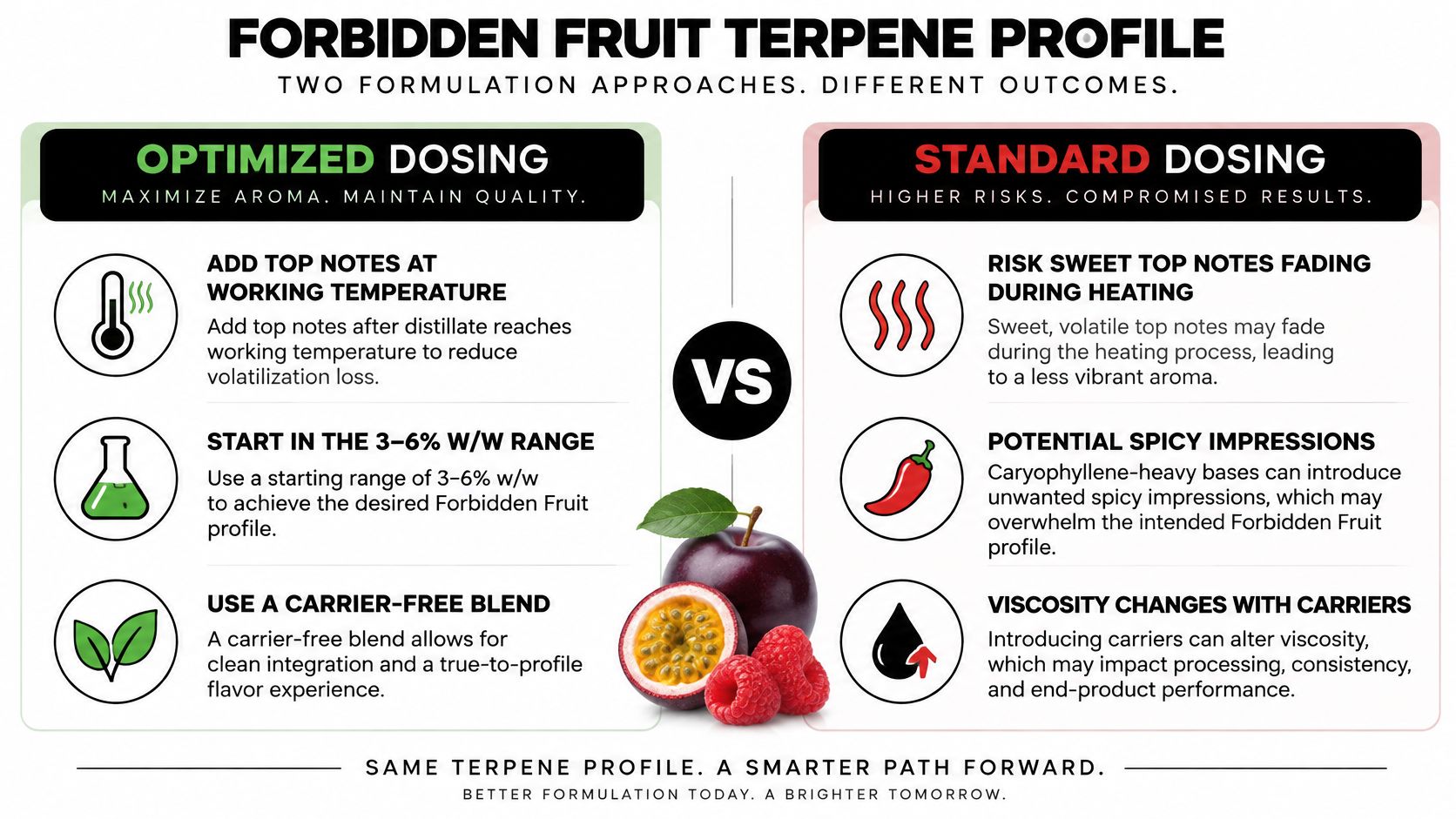
A sweet-citrus profile can lose its definition when the top note overwhelms the fruit and floral middle. Forbidden Fruit gives a formulation a bright citrus opening, a floral-fruity mid, and a warm, spiced base. The Forbidden Fruit strain profile provides a strain reference, not a batch specification.
The Prime Cuts Nursery account of Forbidden Fruit selection describes its Cherry Pie and Tangie lineage and the selection of a plant for purple color and cherry-citrus aroma. Treat that as lineage context. Set product specifications using the lot's certificate of analysis and a sensory record.
How to Test It in Distillate
In winterized distillate, assess the blend on its own before adding limonene. That makes it easier to judge whether the citrus opening holds without flattening the floral-fruity middle. For a fruit-dessert cartridge, test it beneath a Gelato-style mid and check whether the warm base remains distinct after heating.
- Starting point: A 3 to 6% w/w range can guide initial trials. Treat it as a starting point, not a general rule. Move in 0.5% steps and score each level blind.
- Add top notes late: Add the blend after the distillate reaches working temperature, then assess the finished oil.
- Model before scaling: Enter the ratios in the Mixing Calculator and record the current COA for each lot.
2. Blue Dream Terpene Profile for Cannabis Product Formulation
Blue Dream suits a berry cartridge that needs a sweet, rounded center with a soft herbal edge. Set the profile's roles before blending: fresh fruit at the top, berry through the middle, and a fuller base to carry the flavor through the draw.
A peer-reviewed analysis of more than 800 commercial cannabis varieties found associations between chemical composition, flavor tags, and reported experience after statistical correction. Sweet and fruity descriptors formed a distinct module. Use that finding as context, then verify the berry character chemically rather than relying on the strain name.
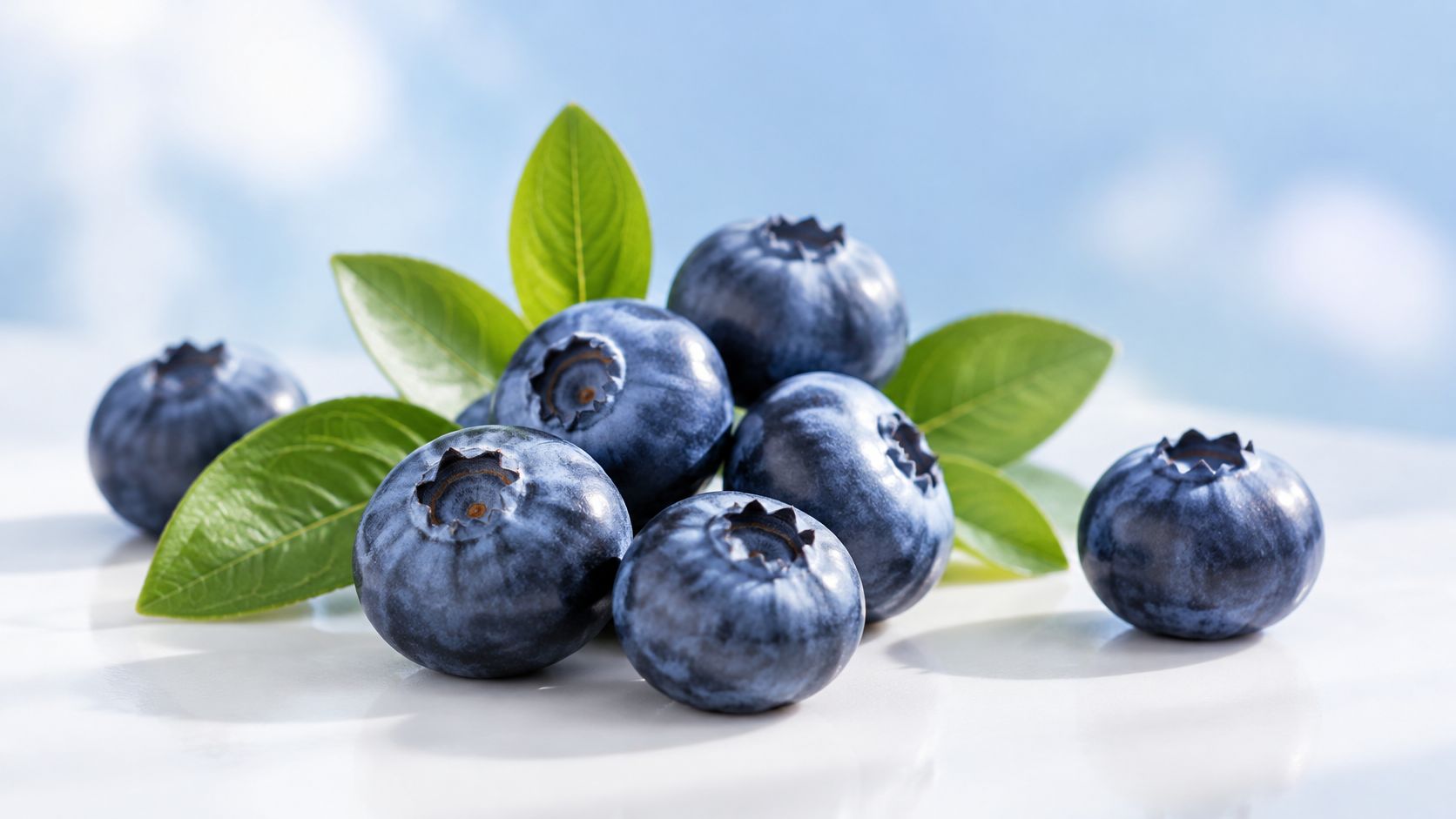
For a berry-forward cartridge, assess Blue Dream on its own before adding a citrus isolate. Compare both blends in the finished cartridge at operating temperature. A citrus lift may sharpen the opening, but too much can crowd the berry mid and make the profile read as citrus-led.
Practical rule: Dose pinene-rich top notes conservatively, then assess the heated cartridge. A strong bottle aroma does not establish how the top notes will hold through a draw.
Define top, mid, and base roles for the panel, and record the inclusion rate and lot number for each blend. Describe the finished product by its tested flavor profile, not as a guaranteed cultivar match. Gold Coast Terpenes offers strain-specific profiles and isolates for formulation, so select components according to the flavor balance the product requires.
3. Green Crack Terpene Profile for Cannabis Product Formulation
A tropical top can fade in the first draw, even when the blend smells vivid in the bottle. Green Crack suits briefs that call for a bright citrus-fruit opening, but its volatile notes can be difficult to retain through heating. Use the Green Crack strain profile as a reference when setting the target ratio.
The 2023 review of terpene volatility in cannabis products reports that alpha-pinene evaporates about 190 times faster than alpha-humulene and beta-myrcene vaporizes at greater than 3,500 times the rate of THC at 180°C. The first draw can therefore emphasize volatile top notes, while slower sesquiterpenes contribute more persistence. The oil's blend ratio does not necessarily match the aerosol's perceived balance.
Where the Trade-Off Sits
Too much top note can make the tropical profile sharp. Too little can leave the heated product muted. Compare two inclusion levels in filled cartridges after resting, and score the aerosol rather than the oil alone. If you add a citrus isolate to extend the bright impression, assess it in the finished cartridge. A stronger aroma in the bottle does not establish a longer-lasting draw.
- Control heat during mixing and filling: Reduce exposure of light top notes.
- Compare at least two levels: Identify where the fruit character gives way to sharpness.
- Record ratios and lot details: Use the Mixing Calculator to keep batch specifications consistent.
Gold Coast Terpenes offers Green Crack among its terpene strain profiles. The company describes its terpenes as THC-free and free of VG, PG, PEG, and MCT, and says they need proper dilution before use.
4. Watermelon Zkittlez Terpene Profile for Cannabis Product Formulation
A watermelon-candy target depends on the myrcene-to-limonene ratio, not on either compound alone. The Watermelon Z strain profile provides a reference for the profile, while your approved batch sets the sensory target.
In an analysis of fresh and air-dried cannabis chemovars, one sample shifted from 27.5% myrcene and 14.0% limonene in fresh material to 17.1% myrcene and 17.0% limonene after drying (2020 study). That change illustrates why a generic limonene-rich specification may miss the watermelon-candy balance.
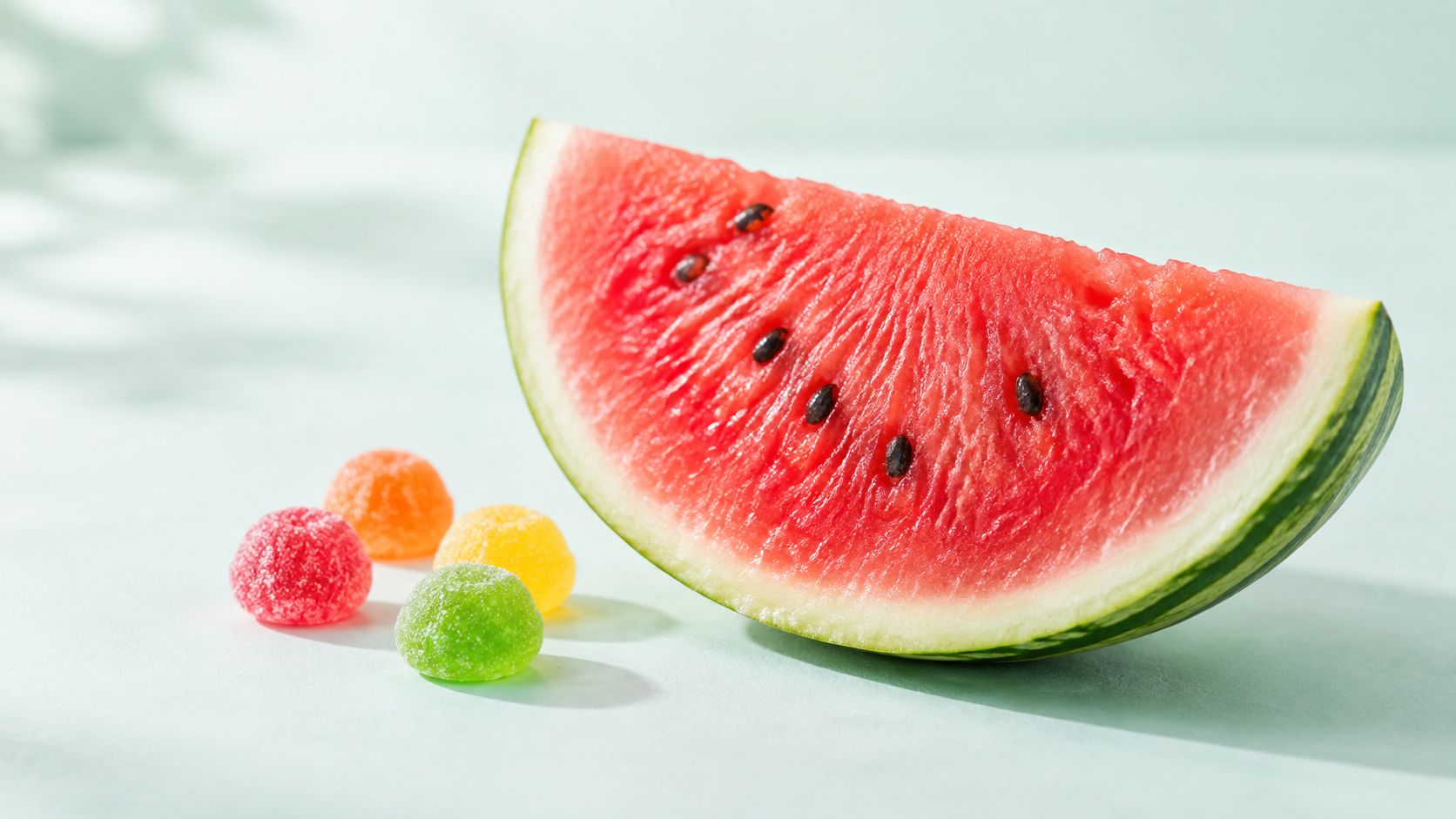
For this profile, treat watermelon as the mid note and candy sweetness as its supporting character. A citrus top can add brightness, but too much may shift the impression toward fruit punch. Compare multiple inclusion rates in the finished distillate and cartridge. Score the heated aroma and draw against the same retained reference so the team can distinguish a clear watermelon note from generic sweetness.
Record the profile's top, mid, and base impressions before and after heating. Terpenes 101 can help align panelists on note roles. Use one shared scorecard, and compare the standard profile with a more fruit-forward option only if the target calls for stronger fruity nuance.
Gold Coast Terpenes offers strain-specific profiles and isolates for product formulation. Its terpenes are THC-free and require proper dilution before use.
5. Strawberry Cough Terpene Profile for Cannabis Product Formulation
A berry cartridge needs Strawberry Cough's sweet fruit note to survive mixing and heating, with its light floral edge kept in balance. Set the target by the profile's measured composition. The analysis of nearly 90,000 samples from six U.S. states found that indica, sativa, and hybrid labels did not consistently align with cannabinoid and terpene composition. Use the COA to check for limonene, myrcene, linalool, pinene, caryophyllene, and farnesene where present, then define the flavor specification from the measured profile.
A Worked Berry Test
For a summer berry line, hold the berry base constant and vary only the floral mid across three inclusion rates. Panel the samples after heating, then test one version with a citrus top. If strawberry reads clearly in the mixing vessel but fades in the cartridge, adjust the process temperature or addition point before changing the nominal percentage.
Introduce delicate berry profiles at the lowest practical temperature and record the addition point in the batch log.
Use the Gold Coast Terpenes Mixing Calculator to document each ratio change. Verify the profile on the COA before committing to a berry claim, and describe the product by its measured flavor rather than cultivar-specific language. Gold Coast Terpenes offers THC-free terpene profiles without VG, PG, PEG, or MCT, reducing carrier chemistry as a variable.
6. Tangie Terpene Profile for Cannabis Product Formulation
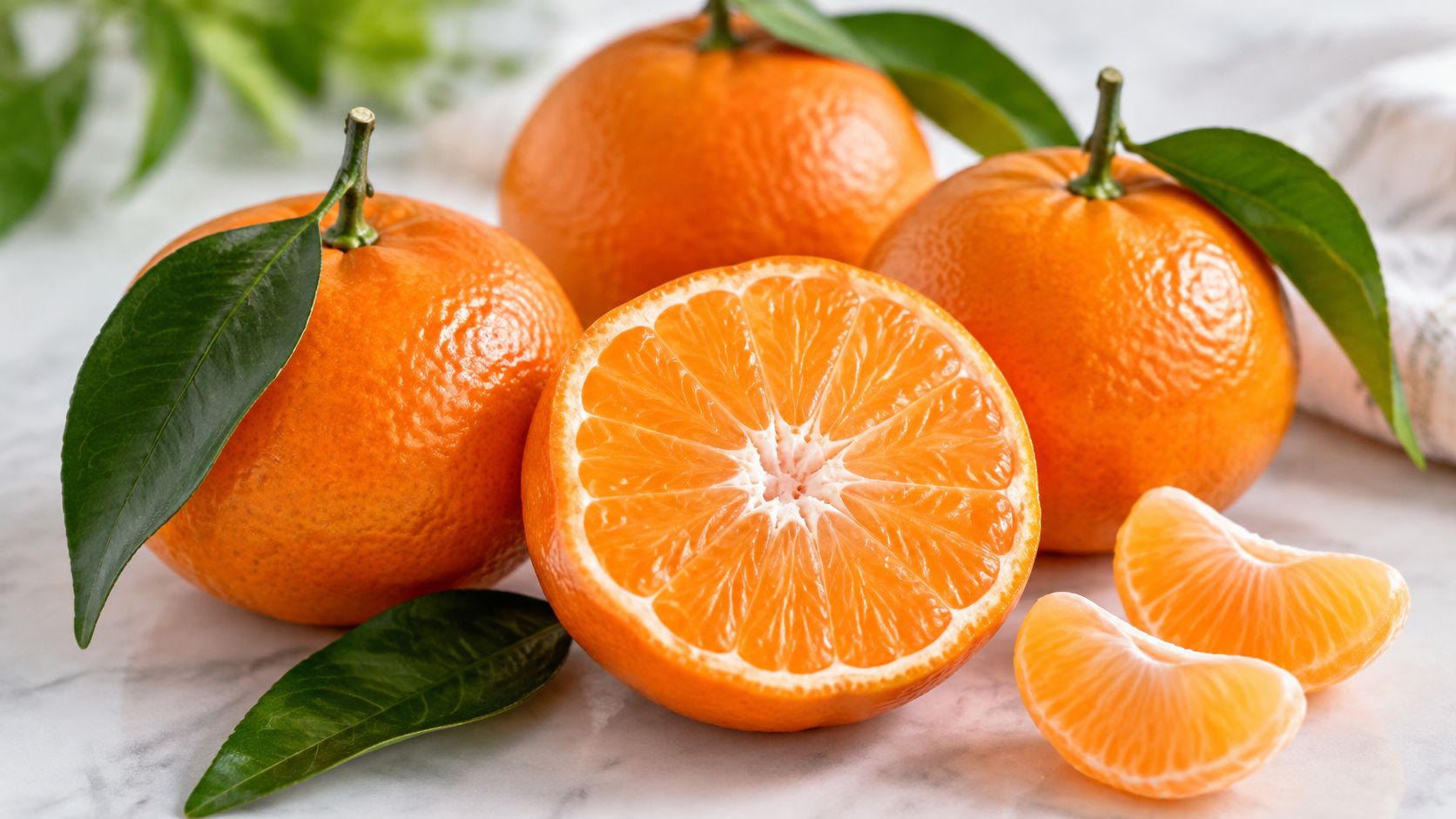
Tangie can supply a bright tangerine top for citrus-forward cartridges or add lift to a heavier berry or dessert mid. For a related profile, see the Banana Tangie strain profile.
Citrus character comes from combinations and relative concentrations of aroma compounds. A study of terpene synthase variation in cannabis links genetic variation in terpene-synthase genes with different aroma outcomes. In formulation, excess citrus isolate can shift Tangie toward a sharper, less fruit-specific impression. Test the top against a fixed mid and base, then assess whether the blend still reads as tangerine after heating.
For a tangerine SKU, hold the mid and base constant across test batches and adjust only the citrus top. Record inclusion rates alongside panel scores. For a sweet-citrus blend, add Tangie in small steps over a berry mid; stop when the opening reads as tangerine rather than generic citrus brightness.
- Dose conservatively first: Raise the top only after confirming the flavor in a heated sample.
- Control processing temperature: Limit volatile loss during mixing, resting, and filling.
- Use shared tasting terms: Define top, mid, and base consistently so panel notes are comparable.
Gold Coast Terpenes offers strain-specific terpene profiles for formulation, including blends for use with distillate.
7. Gelato Terpene Profile for Cannabis Product Formulation
Gelato needs to hold its dessert character after heating. Use it as a creamy base, then assess whether the sweet mid notes remain present in both distillate and cartridge tests. A blend that seems balanced at room temperature can read flat when heated.
The validated cannabis terpene method covering 10 major terpenes reports linear calibration from 1 to 100 micrograms per milliliter, with correlation coefficients above 0.99 for every terpene. Use a defined analytical range to track mid-note shifts between batches, then pair those measurements with heated sensory evaluations.
For a dessert-positioned SKU, run three test batches and change only the mid notes. Evaluate each at finished cartridge temperature. Reject versions that seem sweet at room temperature but lose definition when heated. For a lemon-cream variant, add a measured citrus top while holding the Gelato base constant, so panel scores reflect the top-note change.
- Start moderate: Adjust the mid notes before raising total inclusion.
- Model layered blends: Use the Gold Coast Terpenes Mixing Calculator to plan blend proportions.
- Log each change: Record adjustments against lot numbers and retained reference carts.
Top, Base, and Use-Case Notes Across the Seven Fruit Profiles
The table below maps each profile's note roles to a practical formulation check. The inclusion levels and test steps refer to the profile guidance; use them to isolate how each blend behaves in distillate and during cartridge heating.
| Item | Top-note role | Mid-note role and test step | Base-note role | Profile inclusion level | Heated-oil check |
|---|---|---|---|---|---|
| Forbidden Fruit | Limonene and ocimene set the volatile opening. | Track the mid-note balance while assessing the blend in distillate. | Caryophyllene and myrcene provide the slower-register structure. | Use the profile's stated level. | Check whether the citrus opening persists without the base dominating. |
| Blue Dream | Alpha-pinene and ocimene form the initial volatile layer. | Assess the berry character in distillate before adjusting the total inclusion. | Myrcene and caryophyllene anchor the less-volatile layer. | Use the profile's stated level. | Check for a shift from opening notes to the heavier base during heating. |
| Green Crack | Terpinolene and ocimene supply the volatile lift. | Evaluate the tropical-citrus balance in distillate. | Caryophyllene adds a slower, spiced component. | Use the profile's stated level. | Check that the base does not suppress the top-note definition. |
| Watermelon Zkittlez | Limonene and ocimene drive the initial release. | Assess the candy-fruit character in distillate before changing inclusion. | Caryophyllene supplies the lower-volatility structure. | Use the profile's stated level. | Check whether the fruit profile remains distinct as the cartridge heats. |
| Strawberry Cough | Limonene and pinene form the volatile opening. | Track the berry component in distillate. | Myrcene provides the slower-register body. | Use the profile's stated level. | Check whether the mid remains present as the top notes dissipate. |
| Tangie | Limonene and terpinolene lead the volatile citrus layer. | Assess citrus balance in distillate before adjusting the blend. | Myrcene supports the slower layer. | Use the profile's stated level. | Check whether the citrus opening holds through repeated heating. |
| Gelato | Limonene drives the initial release. | Track the sweet character in distillate before adding another top note. | Caryophyllene and humulene form the lower-volatility layer. | Use the profile's stated level. | Check whether the base becomes more prominent during heating. |
Treat the mid-note check as the control point. Keep the total inclusion fixed while assessing distillate, then compare the same blend after cartridge heating. That separates changes in note balance from changes caused by the delivery format.
Choosing a Fruit Terpene Supplier for Your Next SKU
Choose candidates by flavor role, then test them in finished oil. Shortlist two or three profiles and compare each at two to three inclusion rates in your distillate. Bottle aroma alone cannot predict how a blend will behave after processing and heating.
Start with documentation. Request a certificate of analysis for each lot, confirm whether the blend is botanical or cannabis-derived, and check the sourcing language required for your labeling and compliance file. Ask how the supplier sets release ranges for key terpenes, manages lot variation, and supplies a consistent profile from pilot to production. Get those answers in writing before building a fruit line around a profile.
Then test the formulation. Fill cartridges, rest them, heat them, and score top, mid, and base notes against a retained reference. Track draw-to-draw consistency: volatile top notes and slower base compounds may not emit at the same rate. Recheck the oil after processing and storage, since cultivar, drying, extraction, and storage conditions can shift terpene amounts. Log inclusion rate, addition temperature, lot number, and panel score together to help identify the cause of batch drift.
Selection rule: Buy the profile you can verify in finished oil.
Gold Coast Terpenes offers strain-specific profiles, isolates, and terpene blends. Its products are THC-free and legal worldwide. Wholesale pricing is available on strain orders over 64 oz, and U.S. shipping is free on orders over $100. The 3ml Strain Picker Pack lets customers select any three different terpene profiles from the catalog in 1.5ml or 3ml sizes.
Use the Picker Pack to screen candidates side by side. Narrow the shortlist to one profile and one backup, then confirm the labeling language, sourcing declarations, and compliance terms before placing a production order. Record the selected profile, inclusion rate, and lot details as your reference for the next batch.
Build your shortlist by flavor role, test each candidate in heated distillate, and order only after the lot documentation matches your reference batch. For botanically derived fruit profiles, mixing tools, and strain-inspired blends for cartridges and concentrates, visit Gold Coast Terpenes and start with a three-profile side-by-side test.