
When a strain profile captures the market's attention, it’s not just hype—it’s a commercial opportunity. The Rainbow Belts profile has become a prime target for product developers, and for good reason. It consistently delivers the sweet, sour, and fruity candy flavor system that builds reliable, top-selling product lines.
Why the Rainbow Belts Strain Profile Matters in Formulation
For cannabis product manufacturers, identifying a profile that is both in high demand and reliably stable is paramount. The Rainbow Belts terpene profile is an ideal candidate for building flagship products like vape cartridges, edibles, and infused pre-rolls. Its value in product development stems directly from its specific genetics and the predictable sensory experience it creates, batch after batch.
The Genetic Blueprint for Flavor Consistency
The value of the Rainbow Belts profile begins with its meticulously crafted genetics. This isn't an accident of cultivation; it's the result of intentional breeding. The strain began as Zkittlez x Moonbow #75, a creation from Archive Seed Bank that brilliantly combines a double dose of Zkittlez with the complexity of Do-Si-Dos.
This cross locks in the signature flavor. This genetic stability is what ensures the core notes—sweet fruit, tangy candy, and a touch of creamy gas—are expressed consistently. For a formulator, that predictability is mission-critical. It means you can build a product line around the Rainbow Belts profile and trust that the flavor architecture will not drift between production runs.
The commercial advantage of the Rainbow Belts profile isn't just its candy-like flavor—it's the remarkable consistency. This reliability protects brand reputation and ensures customers receive the exact experience they expect every single time.
To provide a clear overview, here is a summary of what makes this profile so valuable for cannabis product formulation.
Rainbow Belts At a Glance for Formulators
This table breaks down the key attributes of the Rainbow Belts profile, offering a snapshot for formulators looking to replicate its flavor for vape cartridges, distillate, and other products.
| Attribute | Specification | Formulation Implication |
|---|---|---|
| Primary Flavor | Sweet & Sour Fruit Candy | Highly marketable and familiar flavor system. |
| Secondary Notes | Cream, Gas, Floral | Adds complexity and depth for a premium experience. |
| Genetic Lineage | Zkittlez x Moonbow #75 | Stable genetics ensure flavor consistency. |
| Key Terpenes | Limonene, Caryophyllene, Myrcene | Foundation for building an authentic terpene blend. |
| Consumer Appeal | High (Candy Flavor) | Strong existing market demand to leverage. |
This data provides a technical framework for understanding why Rainbow Belts performs so well from a commercial standpoint.
A Roadmap for Replicating the Flavor of Rainbow Belts
This guide is a technical manual for creating winning products using a Rainbow Belts strain-inspired terpene blend. We will move beyond generalities and focus on the components that make it a formulator's asset. Grasping how these pieces fit together is essential, and you can learn more about how terpene strain profiles define cannabis characteristics in our detailed breakdown.
By the end of this guide, you will have the practical knowledge to:
- Deconstruct its primary and secondary terpene notes.
- Build an authentic terpene blend from isolates.
- Optimize the profile for different vape hardware and concentrates.
- Leverage its market popularity to give your products a commercial edge.
The Primary Terpenes Defining the Rainbow Belts Flavor Profile
What is the chemical basis for the distinct Rainbow Belts flavor? It is primarily driven by three key terpenes working in synergy. To successfully replicate the flavor, formulators must understand the role of each as a top, middle, or base note. Nailing the balance between these three is the first step to creating a Rainbow Belts blend for cannabis product formulation that is commercially viable.
The experience begins with Limonene, acting as the top note. This terpene delivers the initial, zesty pop of sour candy. It’s the bright, sharp citrus note that defines the profile's recognizable sweet-and-sour character.
Crafting Depth with Middle and Base Notes
Immediately following the Limonene top note is Beta-Caryophyllene, which functions as a middle note to add a necessary layer of complexity. This terpene introduces a spicy, funky element, preventing the flavor from becoming a one-dimensional sweet blend. It’s the subtle, peppery kick that gives Rainbow Belts its sophisticated, "gassy" edge.
The profile is anchored by Myrcene, the base note. This terpene contributes a ripe, mango-like fruitiness that smooths the sharper notes from Limonene and Caryophyllene. It provides a sweet, herbal foundation that makes the entire experience cohesive, preventing the flavor from feeling too sharp or acidic. To get a better handle on these compounds, take a look at our guide to common terpenes and their roles.
Terpene Synergy in Formulation
The authenticity of a Rainbow Belts terpene blend is not in one specific isolate, but in the precise synergy between them. Limonene brings the candy-like tartness, Beta-Caryophyllene adds contrasting funk, and Myrcene rounds it out with a mellow, fruity finish. This is what creates the layered flavor experience that drives consumer demand.
The takeaway for any formulator is simple: balance is everything. An excess of Limonene results in a generic citrus profile. Insufficient Caryophyllene removes the authentic, gassy depth that defines the Rainbow Belts strain.
This delicate balance is why the cultivar is so highly regarded. While flower batches often test between 24–29% total THC, it's the rich terpene profile that truly makes it stand out. It's not uncommon to see lab results showing terpene totals well over 2.0%. You can examine more Rainbow Belts strain test results on app.jointcommerce.com.
By understanding how this powerful trio works, you have the roadmap to begin formulating your own authentic blend for vape cartridges and other concentrates.
Replicating the Flavor of Rainbow Belts: A Formulation Guide
Now, we move to the practical application: building a Rainbow Belts terpene blend that accurately reflects the cultivar. While Limonene, Caryophyllene, and Myrcene are the primary drivers, the minor terpenes are what provide its signature character. Without them, you have a generic fruity blend, not the authentic sour candy flavor that makes Rainbow Belts commercially valuable.
These minor terpenes are the key to differentiation. To create an authentic Rainbow Belts profile, you must precisely dose supporting isolates like Linalool, Pinene, and Humulene.
The Role of Secondary Terpenes in Formulation
Secondary terpenes are your secret weapons for achieving flavor accuracy. They add layers of complexity that enhance the primary notes, creating a dynamic experience that evolves on the palate.
- Linalool: This terpene introduces a soft, floral touch. It is excellent for rounding off the sharp citrus edges of Limonene and weaving in a gentle sweetness that complements Myrcene’s fruitiness.
- Pinene: The fresh, sharp scent of pine from this terpene is crucial for cutting through the sweetness and adding a crisp, clean finish. This is a key component in creating the "sour" candy sensation and prevents the blend from feeling too syrupy.
- Humulene: As a sesquiterpene related to Caryophyllene, Humulene adds a familiar hoppy, earthy note. It deepens the funkier, gassy undertones and provides a dry finish that perfectly balances the initial fruit-forward burst.
To successfully replicate this profile, you must understand how these flavors build on one another.
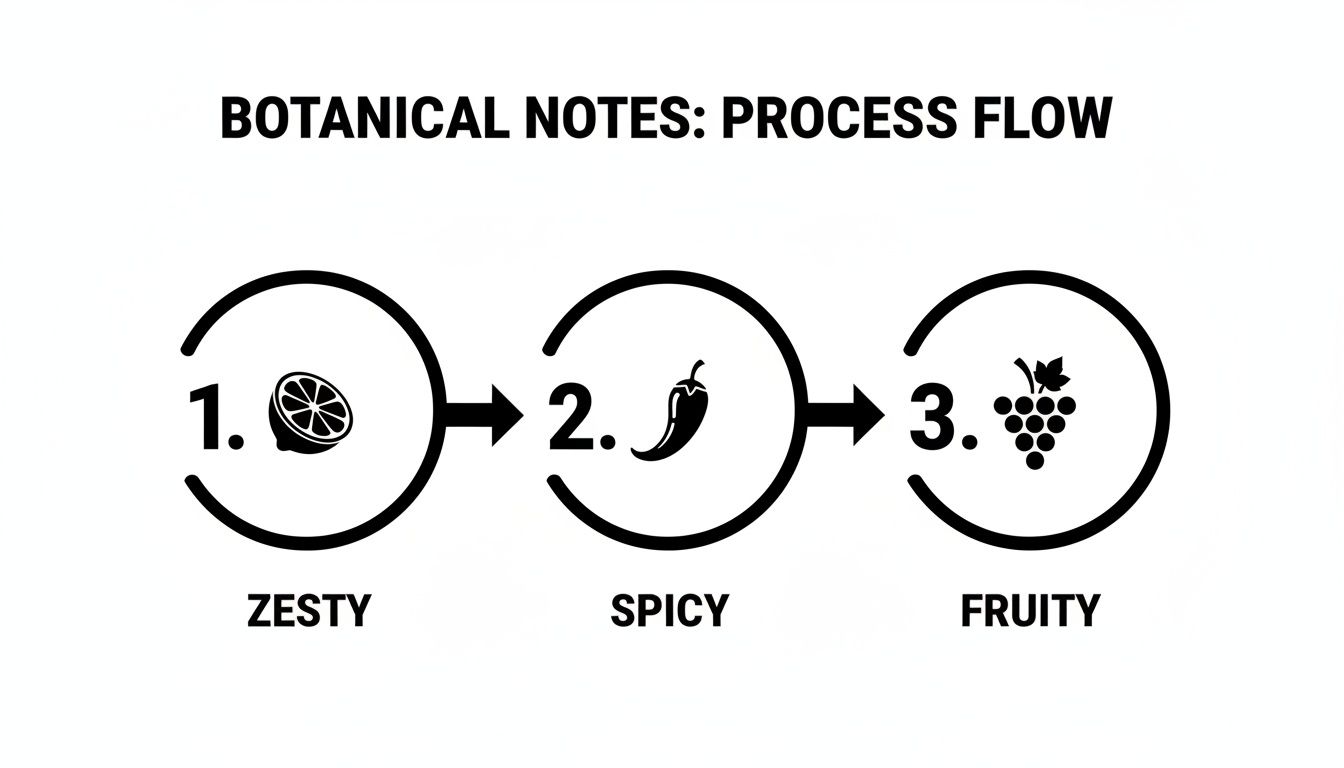
As illustrated, the formulation begins with zesty top notes, layers in spice, and is grounded with a solid fruity base. Achieving the correct sequence and balance is critical for authenticity.
Starting Ratios and Customization
Finding the optimal blend requires R&D, but here is a solid starting point. The goal is to let the primary trio lead, then carefully add the secondary terpenes to refine the profile.
A good baseline formulation to begin experimentation looks like this:
- Limonene: 35-40%
- Beta-Caryophyllene: 20-25%
- Myrcene: 15-20%
- Linalool, Pinene, Humulene, & others: 15-30% (combined)
This is where you can develop a proprietary profile. For instance, increasing Pinene by just 1-2% can dramatically shift the profile from "sweet fruit" to "gassy candy." To lean into confectionary notes, a small increase in Linalool will achieve that effect.
This is your opportunity to create a proprietary Rainbow Belts profile that stands out while remaining authentic. If you want to dive deeper into these techniques, we have a complete guide on crafting your perfect blend by mixing terpene strains. Mastering these small adjustments is how you transition from a good product to a market-leading one.
The Rainbow Belts Terpene Profile for Vape Cartridges
Any experienced formulator knows that translating a flavor profile into a vape product is more than just mixing terpenes into oil. When replicating the flavor of Rainbow Belts for vape cartridges, the challenge is preserving the sweet and sour candy notes through the vaporization process. The atomizer is a significant variable; improper formulation can turn a vibrant flavor harsh, muted, or burnt.
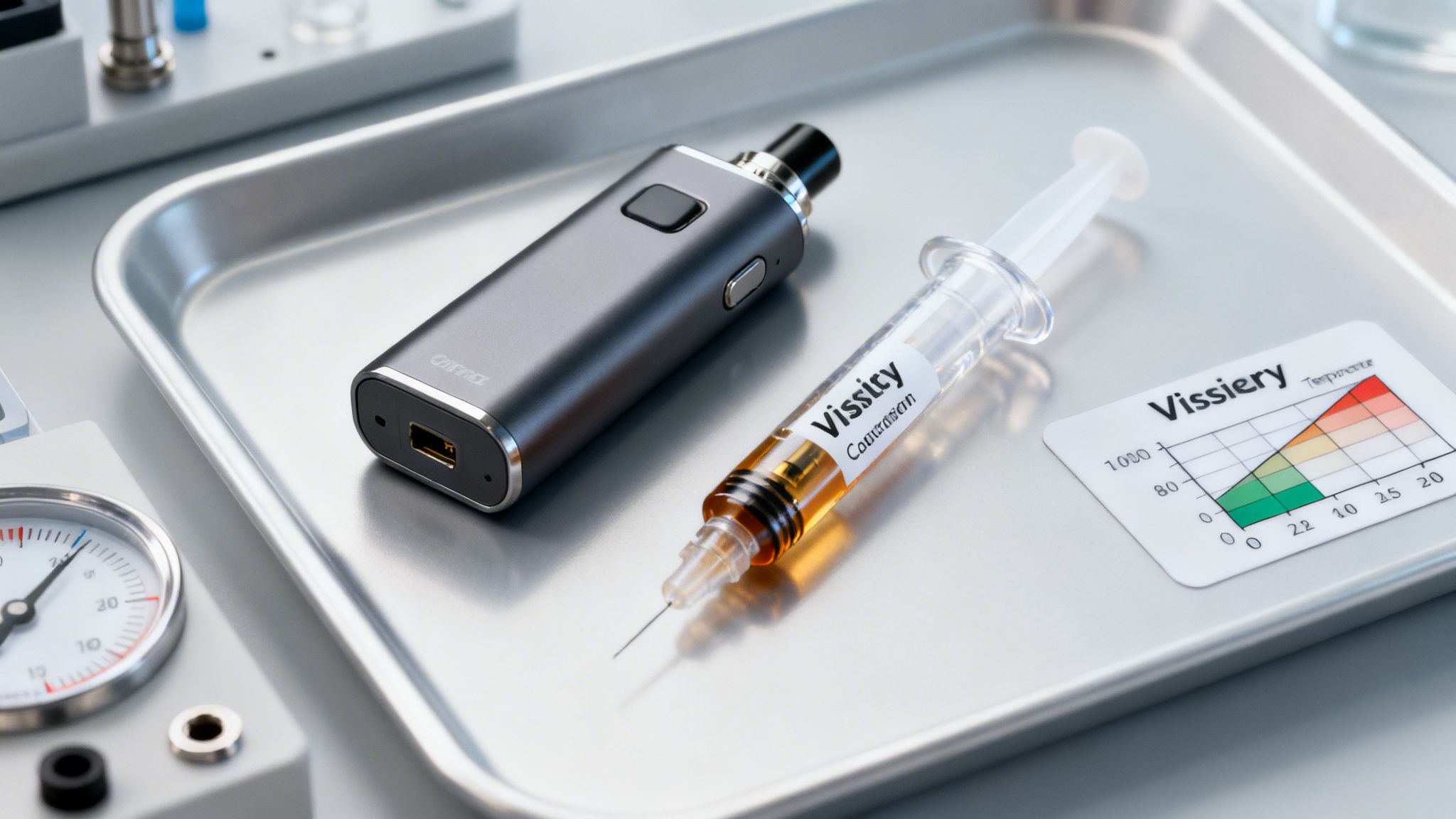
The primary hurdle when formulating with the Rainbow Belts terpene profile for distillate is retaining the volatile top notes. The zesty citrus from Limonene and the soft floral hints from Linalool are fragile; they are the first to degrade at high temperatures. This requires careful consideration of the hardware from the earliest stages of development.
Optimizing Flavor for Vape Hardware
A successful vape cartridge delivers consistent flavor from the first activation to the last. This depends on managing terpene ratios and their interaction with heat.
- Manage Viscosity: Terpenes act as diluents. While a 5-7% terpene concentration is a common starting point for distillate, the Rainbow Belts profile is heavy on thinner monoterpenes like Limonene. You may need to adjust your ratio to prevent the final product from becoming too fluid for certain cartridge designs.
- Select Coils Strategically: Ceramic coils are ideal for this profile. They heat more gently and evenly, which is necessary to protect the delicate candy and fruit notes that define Rainbow Belts.
- Recommend Low-Voltage Vaping: End-user education is a valuable part of a product strategy. Informing partners and consumers that lower voltage settings are key will prevent terpene scorching and ensure the intended flavor is delivered.
A common formulation error is to increase the concentration of top notes to overcompensate for anticipated flavor loss. This often backfires, leading to a harsh, chemical taste. The art is in building a solid foundation with more resilient mid and base-note terpenes that can carry the delicate top notes through the heat.
To master this, understanding the thermal properties of each terpene is crucial. We have published a comprehensive breakdown on the boiling point of terpenes that explains how heat directly affects vape formulations.
A Starting Point for Your Rainbow Belts Strain-Inspired Terpene Blend
To accelerate your R&D, here is a table with suggested starting ratios for a Rainbow Belts blend for distillate. This is a foundation for your own development, not a final recipe.
| Terpene | Role | Starting % in Blend (for Distillate) | Flavor/Aroma Contribution |
|---|---|---|---|
| Limonene | Top Note | 30-40% | Bright citrus, zesty candy |
| Myrcene | Base Note | 15-25% | Ripe fruit, earthy foundation |
| Caryophyllene | Mid Note | 10-15% | Spicy, peppery undertone for complexity |
| Linalool | Supporting Note | 5-10% | Soft floral, lavender-like notes |
| Pinene | Supporting Note | 3-7% | Fresh pine, adds a clean, sharp edge |
Remember to test and iterate on these ratios based on your specific base oil and hardware. The goal is to find the perfect harmony where no single note overpowers the others, creating a truly layered and authentic experience.
Dosing Distillate for Optimal Flavor
Achieving the balance between bold flavor and a smooth experience is critical. With the Rainbow Belts profile, this requires a methodical approach.
Start R&D with a conservative 5% terpene blend in your distillate. Mix thoroughly and allow it to homogenize for at least 24 hours before sensory analysis.
From that baseline, you can slowly increase the concentration in 0.5% increments. This step-by-step process helps you pinpoint the exact concentration where the sweet, sour, and fruity notes are expressed without introducing harshness. This methodology conserves material and ensures a premium final product.
The Commercial Advantage of a Flavor-Forward Profile
Technical formulation excellence is only valuable if it translates to commercial success. The Rainbow Belts strain profile has established a reputation for a powerful, candy-like flavor that creates significant and lasting market demand. By accurately replicating that experience, a brand can tap directly into existing consumer excitement.
A well-executed formulation justifies premium product positioning. Today's consumers are increasingly educated and willing to pay more for a product that delivers a specific, authentic, and high-quality sensory experience.
Tapping Into Built-In Market Demand
The "Rainbow Belts" name carries significant market recognition. It is a modern classic that consumers actively seek out. When a customer sees a "Rainbow Belts" vape cart or concentrate, they have a pre-existing expectation for a sweet, fruity, and slightly sour candy taste.
Meeting that expectation with a high-fidelity strain-inspired terpene blend builds immediate brand trust. This is why investing in a quality blend is a sound business decision. You are not just selling a generic vape; you are selling a reliable and recognizable experience that achieves product differentiation in a crowded market.
For any product manufacturer, the Rainbow Belts profile is a low-risk, high-reward opportunity. The demand is established, the flavor is well-known, and the commercial payoff is tied directly to the accuracy of your formulation.
Building Brand Loyalty Through Flavor
In a market saturated with generic "sativa" or "indica" labels, specificity is a powerful competitive advantage. A customer who purchases your Rainbow Belts vape because it tastes exactly as it should is highly likely to become a repeat buyer. They will develop trust in your brand's ability to deliver on its promise and will be more willing to try other strain profiles you offer.
This loyalty is built on two pillars:
- Consistency: Your formulation must reproduce the same vibrant candy notes in every batch. This is a key differentiator for top-shelf brands.
- Authenticity: The blend must capture the complete sensory profile—the sweet, sour, fruit, and even the subtle gassy undertones. This attention to detail signals a commitment to quality that discerning customers recognize.
Ultimately, investing in a high-quality Rainbow Belts terpene profile for cannabis product formulation is an investment in your brand's reputation. It enables you to compete on quality and flavor, not just price, and to build a loyal customer base.
Answering Your Rainbow Belts Formulation Questions
Even a well-defined profile can present challenges at the formulation bench. Here are common questions we encounter when working with the Rainbow Belts terpene profile, along with practical, technical advice.
How Can I Make the "Sour" Note More Prominent?
This is a frequent formulation goal. The key to enhancing the sour candy tang is not simply increasing Limonene, which can result in a simplistic lemon-cleaner note. The solution lies in strategic balancing.
A small increase in Alpha-Pinene can introduce a sharp, bright edge that the palate interprets as "sour." Then, layering in a trace amount of Terpinolene can round it out with its complex, fruity character. These are subtle adjustments; start by modifying these isolates by only 1-2% to find the optimal tangy-sweet balance.
My Vape Formulations Taste Burnt or Muted. What is the Cause?
The most common culprit is excessive heat. The delicate candy and fruit notes in the Rainbow Belts profile, derived from volatile monoterpenes like Limonene and Linalool, degrade quickly when overheated. This results in a dull, generic flavor.
There are two primary ways to mitigate this:
- Hardware Selection: Always specify high-quality ceramic coils for your cartridges. They distribute heat more gently and evenly, which is crucial for preserving fragile top notes.
- Voltage Control: Educate consumers to use a lower voltage setting on their batteries. A high-voltage pulse will scorch the terpenes and destroy the intended flavor profile.
The best defense against flavor loss is building a robust foundation. Use more stable mid and base-note terpenes to anchor the blend. They can act as a buffer, helping to carry the more delicate top notes through the vaporization process.
Can This Profile Be Used in Products Other Than Vapes?
Absolutely. The sweet, candy-like flavor of Rainbow Belts is ideal for a wide range of product applications. It is particularly effective in edibles like gummies and hard candies, where it delivers an authentic and highly marketable flavor.
It also performs well in beverages and tinctures. Remember that you will likely need to use a suitable emulsifier to ensure the oil-based terpenes mix homogenously into a liquid base. For more information on advanced applications, explore our guides and resources for terpene education.
Ready to formulate a product that nails the authentic sweet-and-sour candy flavor your customers demand? Gold Coast Terpenes offers the lab-verified, strain-specific terpene blends and individual isolates you need to bring the Rainbow Belts experience to life.