
For formulators aiming to craft authentic, stable, and effective cannabis products, understanding alpha-humulene's role is critical. While it's known for the earthy, woody, and slightly spicy scent in hops and many cannabis cultivars, its value in formulation extends far beyond aroma. The structural and chemical properties of alpha-humulene are key to controlling a blend’s stability, viscosity, and aromatic depth in products like vape cartridges and distillates.
Understanding Alpha-Humulene for Product Formulation
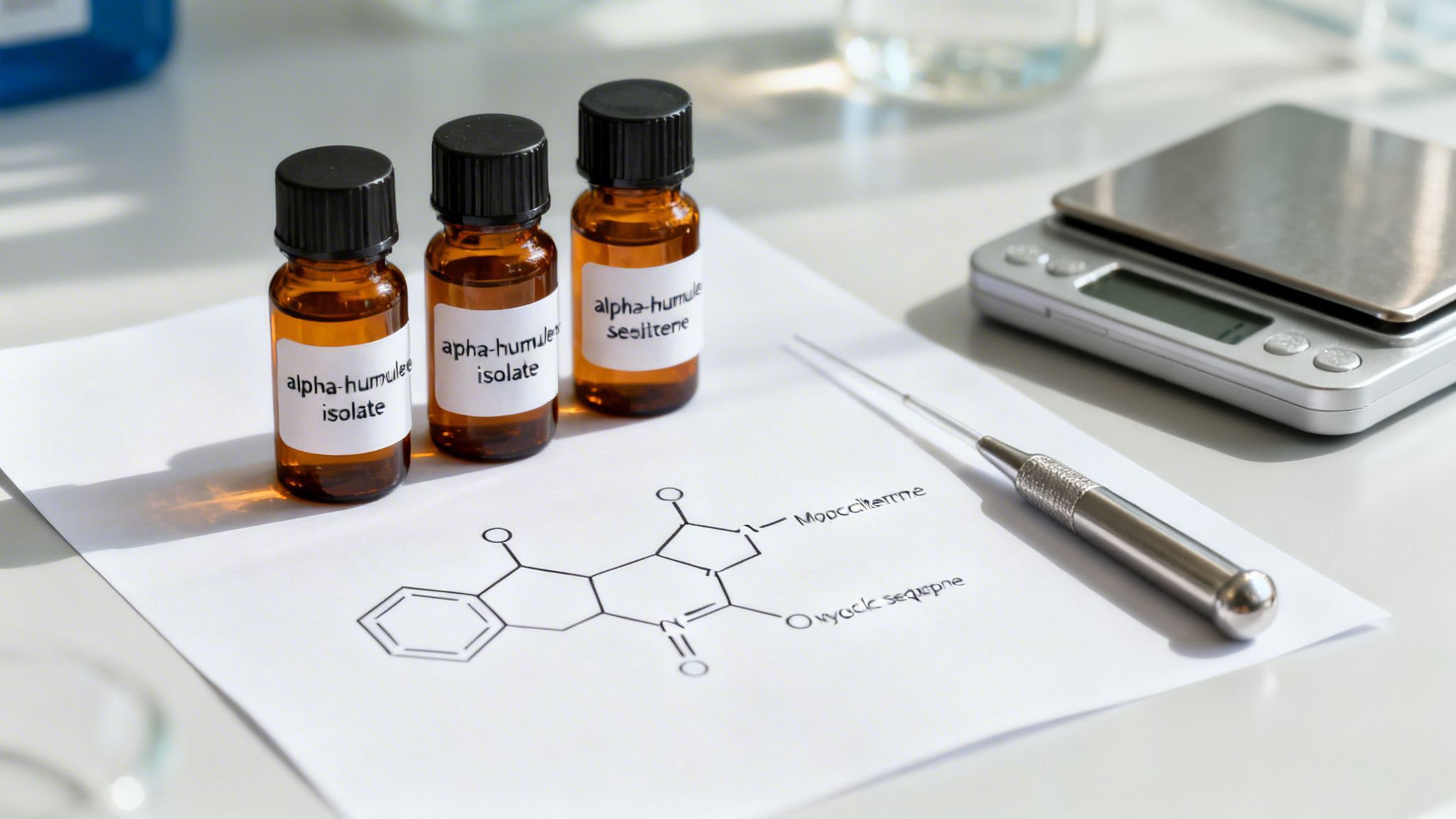
For formulators developing sophisticated and stable products, alpha-humulene is more than an aromatic component. It's a sesquiterpene, meaning it’s a larger, heavier molecule compared to volatile monoterpenes like limonene or pinene. This size difference provides a significant advantage in product development.
Due to its higher boiling point and lower volatility, it functions as a foundational mid-note and aromatic anchor in a terpene blend. It doesn’t flash off as quickly as bright top notes, giving the entire profile a persistent character that grounds the experience. This quality is crucial for creating vape cartridges and concentrates that deliver a consistent flavor from the first use to the last.
Key Formulation Characteristics
The physical makeup of alpha-humulene directly impacts its behavior in a cannabinoid base like THC or CBD distillate. Its monocyclic structure dictates everything from its solubility to its effect on the final product's flow. These are not just academic details; they are practical data points that inform hardware compatibility and ensure a homogenous blend.
For instance, alpha-humulene is a moderate viscosity reducer. It helps thin thick distillates just enough to wick properly in vape cartridges without making the blend overly fluid. This makes it a predictable and reliable tool for dialing in optimal consistency.
Formulator's Insight: Think of alpha-humulene as the "bridge" in your terpene profile. It masterfully connects volatile top notes with heavier base notes, adding a layer of complexity that prevents fruity or citrus-heavy blends from tasting one-dimensional. It brings an authentic, botanical character.
We’ve put together a quick-reference guide below to help you see exactly how this compound can fit into your workflow. When you're ready to begin formulating, you can source our lab-verified alpha-humulene isolate.
Alpha-Humulene Formulation Profile
This table breaks down the core attributes of alpha-humulene, providing a clear, at-a-glance guide for product development.
| Attribute | Description | Formulation Implication |
|---|---|---|
| Terpene Class | Sesquiterpene (C15H24) | Larger, heavier molecule than monoterpenes. Contributes to lower volatility and greater stability in heated applications like vape carts. |
| Aromatic Profile | Earthy, woody, hoppy, subtle spice | Functions as a foundational mid-note. Adds depth and complexity, preventing blends from being overly sweet or sharp. |
| Boiling Point | ~198°C (388°F) | Higher boiling point helps it persist throughout the heating cycle, ensuring a more consistent flavor and aroma profile in vapes. |
| Viscosity Impact | Moderate thinning agent | Reduces the viscosity of thick cannabinoid distillates, improving flow for cartridge filling without making the oil too thin. |
| Solubility | Highly soluble in oils and ethanol | Easily mixes into cannabinoid distillates and other lipid-based carriers, ensuring a homogenous and stable final product. |
| Role in Blends | Aromatic anchor and modulator | Grounds volatile top notes (like limonene) and smooths the transition to heavy base notes (like myrcene), creating a well-rounded sensory experience. |
With these characteristics in mind, it's clear how alpha-humulene can become an indispensable part of a formulator's toolkit. It’s a reliable workhorse for building sophisticated, stable, and authentic-tasting products.
Mastering the Sensory Profile of Alpha-Humulene
While the technical specifications of alpha-humulene are important for product stability, mastering its aromatic profile is where the artistry of formulation lies. Understanding humulene is key to moving beyond generic flavors and crafting authentic, memorable profiles.
Its signature scent is a blend of earthy, woody, and hoppy notes, with subtle hints of spice or herbs like fresh sage or cracked black pepper. This rich, grounding aroma adds a layer of authenticity crucial for replicating classic cannabis cultivars. It evokes the smell of a damp forest floor or the complex aroma of high-quality hops.
Humulene as a Mid-Note Bridge
In flavor and fragrance design, terpenes are often categorized by their volatility as top, middle, and base notes. Alpha-humulene is a quintessential mid-note, serving as the connector that bridges the gap between the initial aromatic burst and the lasting finish.
Without this bridge, a flavor profile can feel disjointed or fall flat. For example, a blend heavy in a top note like limonene offers an initial citrus burst that quickly vanishes, leaving only the heavy, earthy base from a terpene like myrcene. Alpha-humulene smooths that transition.
- Top Notes: The first aroma perceived. They are light and volatile (e.g., Limonene, Pinene, Terpinolene).
- Mid-Notes (Heart Notes): The core of the aroma. Alpha-humulene sits here, emerging as top notes fade and connecting them to the heavier base.
- Base Notes: Heavy, lingering compounds that provide depth and foundation (e.g., Myrcene, Beta-Caryophyllene).
This bridging effect is a key reason many iconic cannabis strains feel so well-rounded. Humulene fills the aromatic space, creating a complete sensory experience. Exploring the full spectrum of alpha-humulene terpene effects is a game-changer for serious product development.
Practical Applications in Flavor Formulation
Working with humulene requires precision to hit specific sensory targets. Its earthy, slightly bitter character is a powerful tool for balancing and refining other flavors.
For example, when creating a vape cartridge based on a dessert strain, the profile can become cloying. Adding a small amount of humulene can cut through the sweetness, adding a sophisticated depth that makes the flavor feel more mature and complex.
Formulation Tip: Use alpha-humulene to introduce a subtle bitterness that balances overly sweet fruit blends. A concentration as low as 0.5% can add a layer of complexity that transforms a simple "grape" or "berry" flavor into something more nuanced and high-end.
Conversely, when building an earthy or gassy profile like an OG Kush, a higher concentration of humulene is necessary to achieve the signature "dank" aroma. Adjusting the ratios of humulene relative to other terpenes allows you to steer the final profile. Our pure alpha-humulene isolate provides the control needed to perfect these nuances.
Turning Anti-Inflammatory Research into a Formulation Game Plan
While alpha-humulene’s hoppy, earthy scent is a key attribute, its well-documented functional properties are where its power for formulators truly lies. For brands creating products with targeted effects, humulene offers a scientifically-backed foundation for an authentic product story, without making unprovable medical claims.
The anti-inflammatory potential of alpha-humulene terpene effects is one of its most studied characteristics. This provides a strong starting point for developing blends aimed at creating a soothing or calming experience. The key is to translate scientific evidence into a smart product strategy.
Speed is a Feature: Designing for Fast-Acting Effects
One significant finding from preclinical studies is how quickly alpha-humulene appears to act, making it an excellent candidate for "fast-acting" formulas. Because it is absorbed and cleared from the system relatively quickly, it’s ideal for products designed to deliver an immediate experience without lingering effects.
A study from Brazil's Federal University of Santa Catarina demonstrated this point. Researchers found that after oral administration, alpha-humulene reached peak plasma levels in just 30 minutes and was almost completely cleared within two hours. This fast-in, fast-out profile is desirable when creating a product intended to deliver a quick, focused effect, making humulene a go-to ingredient for 'calming' or 'recovery' blends.
Stronger Together: Creating Potent Synergistic Blends
In nature, alpha-humulene rarely acts in isolation, and it shouldn't in your formulations either. Its effects are amplified when combined with other specific terpenes—a phenomenon known as the entourage effect.
The most effective partner for alpha-humulene is beta-caryophyllene. Both terpenes are known for interacting with pathways tied to inflammation, but via different mechanisms. Combining them creates a more comprehensive effect that is more powerful than what either terpene can achieve alone.
Formulator's Edge: A strong starting point for a synergistic base is to combine alpha-humulene and beta-caryophyllene in a ratio between 1:1 and 1:2. This classic pairing is found in many legendary cannabis strains and is supported by research suggesting amplified effects, providing a proven foundation for functional blends.
This partnership is the backbone of iconic cannabis profiles like GSC and Bubba Kush, which derive their signature character from high concentrations of both humulene and caryophyllene. By mimicking these natural combinations, you can craft products that are authentic in aroma and built on a solid foundation of chemical synergy. You can discover how to use terpenes in product formulation in our other guides.
Translating Science into Your Brand Story
The research around alpha-humulene is a valuable asset for product positioning, provided you avoid direct medical claims. The evidence points to its potential to influence inflammatory responses in lab settings, making it a compelling ingredient for any wellness-focused brand.
Consider the research:
- Airway Inflammation: One study in the British Journal of Pharmacology found that an alpha-humulene spray led to a 50% decrease in mucous secretion tied to inflammatory lung conditions in animal models.
- Systemic Inflammation: In rodent models, an oral dose of humulene at 50 mg/kg was shown to significantly reduce paw swelling, a classic indicator of inflammation.
- Pharmaceutical Comparison: Some scientific reviews have noted that alpha-humulene’s potency was comparable to the steroid dexamethasone in certain preclinical models, without the associated side effects.
By understanding this research, you can weave a compelling story. Instead of making claims, you can talk about the "soothing," "grounding," and "comforting" nature of your blend, knowing it's backed by the inherent properties of the ingredients. This approach allows you to build a premium, science-informed product that stands out.
Using Antiproliferative Research to Build Smarter Blends
Beyond its aroma and anti-inflammatory potential, alpha-humulene has another property that formulators are beginning to leverage: its antiproliferative and pro-apoptotic effects demonstrated in preclinical research. This science can guide the creation of truly intelligent blends.
To be clear, the goal is not to make medical claims but to use existing research to inform formulation strategy. When consumers seek more than just flavor, a product built on a foundation of chemical science offers a compelling narrative.
The Power of Apoptosis Induction
One interesting finding from lab studies is alpha-humulene's ability to trigger apoptosis, or programmed cell death. This is a normal and necessary process for clearing out old or damaged cells.
What researchers have observed in preclinical models is that compounds like humulene can encourage this natural cleanup process in abnormal cell lines. This insight allows formulators to move beyond pairing terpenes for scent and begin selecting them for their known biological activities in a research setting.
Amplifying Effects Through Synergy with Beta-Caryophyllene
The narrative is strengthened when beta-caryophyllene is introduced. As with its anti-inflammatory effects, the synergy between these two terpenes is remarkable. Preclinical studies have repeatedly shown that their combined power to slow cell growth and induce apoptosis is significantly greater than when used alone.
A study from the University of Quebec at Chicoutimi found that alpha-humulene on its own could slow the growth of certain cancer cells by up to 70%. When combined with beta-caryophyllene, that figure rose to 90%. This synergistic relationship is a crucial piece of the puzzle for any formulator looking to create a functional blend. You can read the full research about these powerful synergistic findings to see the depth of this interaction.
This data provides a clear roadmap for creating advanced, functional blends.
- Create a Synergistic Base: Start with a 1:1 or 2:1 ratio of alpha-humulene to beta-caryophyllene. This pairing gives you a robust, research-backed foundation for any blend aimed at a "calming" or "restorative" experience.
- Build Upon the Foundation: Once the base is set, layer in other terpenes to round out the aroma and add more functional layers. Adding linalool, for instance, could introduce a floral note while enhancing the overall calming feel.
- Narrate the Synergy: Don't just mix ingredients; tell the story of why they're together. Position your product by explaining it’s a thoughtful combination of compounds designed to work in harmony.
Formulator's Takeaway: The humulene-caryophyllene partnership is a well-documented phenomenon. By building formulas around this powerful duo, you create products that are not only aromatically authentic but are also engineered for maximum impact based on scientific findings.
This approach elevates formulation from simply copying a strain's profile to creating a truly functional product, positioning your brand as a leader in science-informed product development.
A Practical Formulation Guide for Vapes and Distillates
Knowing the science behind alpha-humulene is one thing; using it to create a superior product is where the craft begins. For formulators working with vape cartridges and distillates, humulene is a workhorse terpene. This is your hands-on guide to getting it right.
This section covers everything from precise dosing to technical handling. Mastering humulene allows you to build products with consistent performance and authentic aromas, perfect for fine-tuning flavor, managing oil viscosity, and ensuring blend stability.
Precision Dosing for Flavor and Effect
When adding alpha-humulene, balance is key. Too little, and its grounding notes are lost. Too much, and its hoppy bitterness can overpower the blend. The right concentration depends on your objective.
A great starting point for most vape and distillate formulas is a concentration between 0.5% and 2% by weight. This range typically adds noticeable aromatic depth without being overbearing.
- For Subtle Depth (0.5% – 1%): At this level, humulene adds a sophisticated earthy layer, ideal for balancing overly sweet fruit or candy-like profiles and making them taste more natural.
- For Signature Profiles (1% – 3%): To mimic the distinct character of humulene-heavy strains like GSC or Headband, this higher range is necessary to bring those classic hoppy, woody notes to the forefront.
Always start with a low concentration, mix a test batch, and incrementally increase from there. This methodical process is the only way to perfectly dial in the flavor for your specific product line.
Technical Considerations for Cartridges and Concentrates
Beyond flavor, alpha-humulene impacts the physical behavior of your oil. Its interaction with cannabinoid distillates like THC or CBD is crucial for a smooth and reliable user experience.
One of its main functions is as a moderate thinning agent. Humulene dissolves readily in oils, mixing seamlessly into thick distillates. This thinning effect helps the final product wick properly into the heating coil of a vape cart, preventing dry hits and ensuring consistent vapor flow. As a larger sesquiterpene molecule, it won't thin a blend as dramatically as a smaller monoterpene like limonene.
Formulation Best Practice: If you're dealing with an exceptionally thick distillate, try pairing alpha-humulene with a more effective thinning terpene or a neutral diluent. This balanced approach helps you achieve the perfect flow rate for your vape hardware without sacrificing the rich aroma humulene provides.
Proper mixing is non-negotiable for a stable, uniform product. To ensure a full blend, gently heat your cannabinoid distillate to 40-50°C (104-122°F). Add your humulene and other terpenes, then stir thoroughly until the mixture is completely homogenous. This gentle heat ensures everything mixes perfectly without degrading the delicate humulene molecule. For more on this topic, leverage other terpenes with anti-inflammatory properties in our other guides.
The image below illustrates the synergy achieved when combining humulene with its structural isomer, beta-caryophyllene.
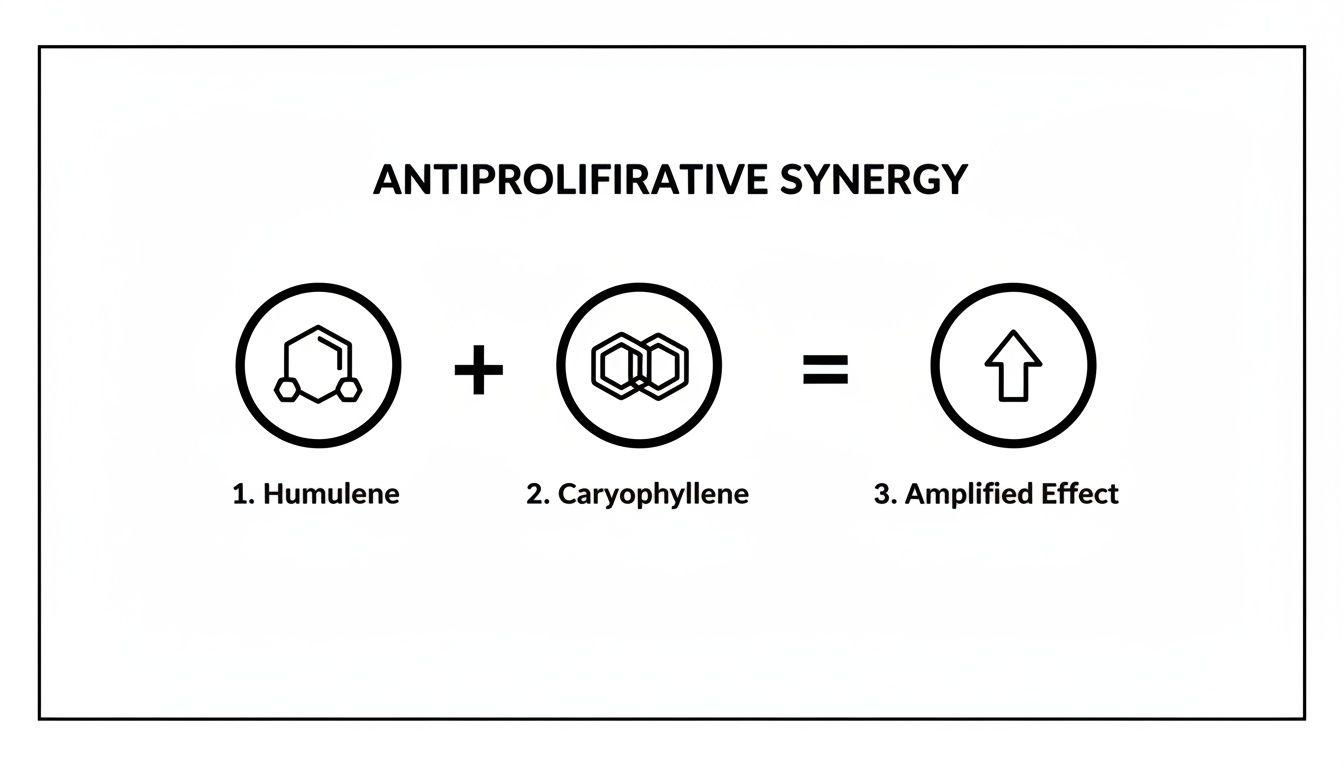
As shown, combining alpha-humulene and beta-caryophyllene can produce an amplified effect, a key consideration when designing targeted blends. By understanding and applying these principles, you can elevate your products from simple flavors to sophisticated, well-engineered experiences.
Answering Your Top Questions About Formulating with Alpha-Humulene
Even with the fundamentals down, specific questions arise in the lab. This section addresses common challenges formulators and brand owners face when working with alpha-humulene.
What's the Sweet Spot for Humulene in a Vape Cartridge?
As a starting point, aim for a concentration between 0.5% and 2% alpha-humulene by weight. This range imparts its unique earthy notes and helps thin your oil without overpowering the blend.
The ideal percentage depends on your formulation goals:
- For Complexity (0.5% to 1%): In this lower range, humulene acts as a background note, cutting through sweetness in fruit or candy flavors to add sophistication.
- For Strain-Specific Profiles (1% to 3%): To capture the classic hoppy, woody character of strains like GSC or OG Kush, this higher range makes alpha-humulene’s aroma a defining feature.
Exceeding 4-5% is generally not recommended, as it can introduce a harsh, bitter taste that masks delicate notes. The golden rule is to start low and titrate upwards in small, measured increments.
Pro Tip: Never eyeball your measurements. Use a reliable terpene mixing calculator for every new formula. Detailed notes are essential for perfect replication of successful blends.
How Does It Change a Distillate's Viscosity and Stability?
Alpha-humulene is a natural tool for moderately thinning thick cannabinoid distillates, which is critical for ensuring smooth flow into the atomizer of modern vape carts, preventing clogs and burnt tastes.
It is a less aggressive thinning agent than lighter monoterpenes like limonene or pinene. This is an advantage. As a heavier sesquiterpene, it has a lower evaporation rate, leading to a more stable blend and a longer-lasting aroma. It functions as a mid-note that also moderates viscosity while anchoring the scent profile.
For exceptionally thick distillates, you may need to pair humulene with a more potent thinning terpene or another clean diluent to achieve the ideal consistency for your hardware without losing humulene's rich, earthy depth.
Should I Use It by Itself or Always in a Blend?
While you can use alpha-humulene isolate alone, its true potential is realized in a blend. On its own, the flavor can be one-dimensional—a straightforward earthy, slightly bitter note. It shines when interacting with other terpenes.
Consider its role in two key scenarios:
- For Flavor: It is the perfect bridge, connecting bright, citrusy top notes with heavier, musky base notes for a seamless flavor experience. In fruit-flavored vapes, it prevents them from tasting artificial. For replicating specific strains, it is essential alongside terpenes like beta-caryophyllene and myrcene.
- For Functional Blends: Research suggests that alpha-humulene works synergistically with other terpenes. Its partnership with beta-caryophyllene is particularly well-known for producing a powerful combined effect.
View it as a crucial supporting component, not the primary feature. Its role is to enhance the entire blend, creating a finished product that is greater than the sum of its parts. We explore these interactions in our guides to terpene formulation.
Ready to apply these principles? At Gold Coast Terpenes, we offer lab-tested, botanically derived alpha-humulene along with dozens of other isolates and strain profiles to help you create your next market-leading product. Explore our complete collection and see what you can build at https://www.goldcoastterpenes.com.